Plantar Plate Injury Treatment at Foot and Ankle Rehabilitation
A damaged plantar plate under the toe joint causes forefoot pain and drifting toes, progressing to crossover or hammer deformity if untreated. Early offloading is crucial.
At Foot and Ankle Rehabilitation, we confirm the diagnosis, redistribute pressure with custom orthotics and pads, and restore stability with targeted exercises. We organise ultrasound/MRI when needed and refer significant tears for surgical repair when conservative care can’t hold alignment.
What is a Plantar Plate Injury?
The plantar plate is a strong ligament-like structure that sits under the metatarsophalangeal (MTP) joints, connecting the base of the toes to the forefoot bones. It stabilises the toes and prevents excessive upward bending (dorsiflexion).
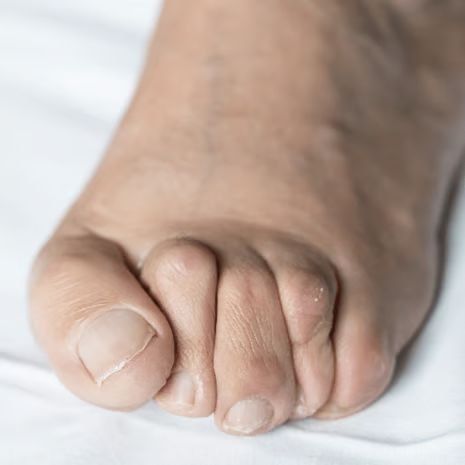
A plantar plate injury occurs when this structure becomes stretched, torn, or ruptured. This is most common at the second toe joint, leading to pain, swelling, and progressive toe deformity (often crossover toe or hammer toe). If left untreated, plantar plate injuries may lead to chronic forefoot pain, instability, and difficulty with footwear.
At Foot Foundation, we specialise in early diagnosis and management of plantar plate injuries, helping patients avoid long-term deformity.
Causes & Risk Factors
Direct trauma – stubbing the toe on furniture or curbs
Crush injuries – heavy objects falling on the foot, workplace accidents
Sports injuries – football, rugby, netball, martial arts
Repetitive stress – overuse fractures in runners, dancers, or military recruits
Footwear factors – unsupportive or protective shoes increasing vulnerability
Bone health – osteoporosis, metabolic bone disease, or previous fracture history
Treatment at Foot and Rehabilitation
Custom orthotics – redistribute pressure, offload the plantar plate, and reduce strain
Footwear advice – supportive shoes with cushioning and wide toe boxes
Padding & taping – metatarsal pads, offloading pads, and strapping to stabilise the toe
Exercise therapy – strengthening intrinsic foot muscles, calf mobility, and stability work
Manual therapy & mobilisation – maintain joint range and reduce stiffness
Shockwave therapy – may aid healing in chronic plantar plate pain
Corn and callus care – managing secondary lesions from altered pressure
Referral for surgery – in severe cases with advanced toe drift or rupture, surgical repair or toe realignment may be required
Symptoms
Pain under the ball of the foot, usually beneath the second toe
Swelling or tenderness at the base of the affected toe
Feeling of instability or “giving way” at the toe joint
Development of a hammer toe or crossover toe deformity over time
Pain when wearing tight or narrow shoes
Difficulty pushing off during walking or running
In advanced cases: visible toe drift or dislocation
Diagnosis
At Foot and Ankle Rehabilitation, diagnosis includes:
History & symptom assessment – location, onset, activity triggers
Clinical tests:
Drawer test – upward movement of the toe indicating plantar plate laxity
Toe alignment checks – detecting early drift or crossover deformity
Gait and biomechanical analysis – assessing forefoot overload and contributing factors
Imaging:
Ultrasound – can detect partial or full-thickness tears
MRI – gold standard for visualising plantar plate damage and joint instability
Contact us to learn more about Plantar Plate Injury treatment
If you are dealing with Plantar Plate Injury, our team can help you find the most suitable Foot and Ankle Rehabilitation clinic for assessment, diagnosis, and treatment support.
Whether your symptoms are affecting walking, running, exercise, or daily comfort, we can guide you towards the right clinician and the right next step for your care.
Treatment options are available across Pinehill, Smales Farm, Remuera, Botany, Hamilton East, Hamilton Central and Bethlehem

Podiatrist pricing and availability
Pricing for Plantar Plate Injury assessment and treatment can vary depending on your consultation, the severity of your symptoms, the treatment approach recommended, and whether ongoing podiatry or rehabilitation care is required.
Your Foot and Ankle Rehabilitation clinician will assess your tendon, identify the contributing factors to your pain, and explain the most appropriate treatment plan based on your symptoms, activity level, and recovery goals.
To learn more about our podiatrists and current pricing, use the links below:
10,000+
Appointments delivered across our clinics, helping patients improve foot health, mobility, and long-term outcomes.
7 Clinics
Conveniently located across Auckland, Hamilton, and Tauranga, making it easy to access a podiatrist near you.
30+ Treatments
Comprehensive podiatry services including fungal nail care, ingrown toenail treatment, rehabilitation, and general foot care.
Plantar Plate Injury – FAQs
What is a plantar plate injury?
It is a tear or degeneration of the plantar plate ligament beneath the toe joint, most commonly affecting the second toe.
What causes plantar plate tears?
They are caused by forefoot overload, bunions, trauma, or repetitive stress on the toe joint.
What does a plantar plate injury feel like?
Pain under the ball of the foot, swelling, and a sense of toe instability. Over time, the toe may start to drift or overlap.
How is a plantar plate injury diagnosed?
Diagnosis involves clinical drawer tests and imaging such as ultrasound or MRI.
Can plantar plate injuries heal without surgery?
Yes. Early injuries can be managed with orthotics, footwear changes, padding, and exercise therapy. Advanced tears with severe deformity may need surgery.
Do orthotics help plantar plate injuries?
Yes. Orthotics with metatarsal offloading and support significantly reduce stress on the plantar plate and allow healing.
What shoes are best for plantar plate injuries?
Supportive shoes with cushioning, firm midsoles, and wide toe boxes. Avoid narrow or high-heeled shoes that increase forefoot load.
Can plantar plate injuries cause deformity?
Yes. Untreated injuries often progress to crossover toe, hammer toe, or dislocation.
Is surgery always needed for plantar plate tears?
No. Most cases respond to conservative care if treated early. Surgery is reserved for advanced deformities or full ruptures.
When should I see a podiatrist?
If you have persistent ball of foot pain, toe instability, or a drifting second toe, seek podiatry care early to prevent progression.

Why Choose Foot and Ankle Rehabilitation?
Foot and Ankle Rehabilitation provides specialist plantar plate injury management, focusing on early diagnosis, orthotics, footwear optimisation, and exercise rehabilitation. We aim to restore stability, reduce pain, and prevent long-term deformity, coordinating surgical referral when required.