Mallet Toe Treatment at Foot and Ankle Rehabilitation
Mallet toes bend at the tip joint, driving pressure into the nail and shoe, causing corns and nail trauma. Early management prevents stiffness and recurring lesions.
At Foot and Ankle Rehabilitation, we offload the toe tip with pads and custom orthotics, tune footwear depth and width, and use mobility and strengthening in flexible cases. Persistent rigid deformities are guided to surgical review when appropriate.
What are Mallet Toes?
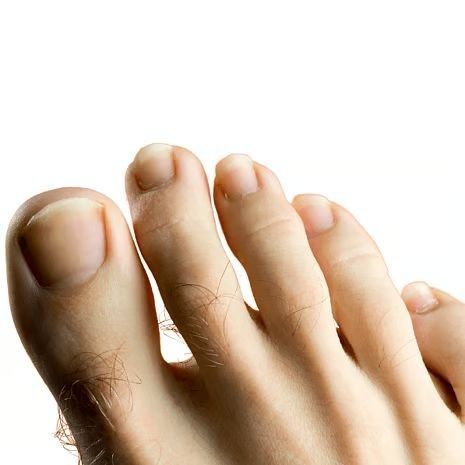
A mallet toe is a deformity where the end of the toe (distal phalanx) bends downward at the distal interphalangeal (DIP) joint, causing the tip of the toe to press into the ground or shoe.
Unlike hammer toes (which affect the middle joint) or claw toes (which involve multiple joints), mallet toes are isolated to the tip of the toe. This often leads to painful corns, calluses, or nail changes from pressure against shoes.
Mallet toes may be flexible (correctable with manual movement) or rigid (fixed deformity). At Foot and Ankle Rehabilitation, we provide specialist care to reduce pain, protect the toe, and correct underlying biomechanical causes.
Causes & Risk Factors
Footwear – shoes with narrow or shallow toe boxes forcing the tip of the toe downward
Biomechanics – long second or third toes, flat feet, or abnormal toe alignment
Muscle imbalance – between flexor and extensor tendons
Trauma – previous toe injury or stubbing
Arthritis – degenerative or inflammatory joint disease affecting the DIP joint
Bunions – drifting of the big toe can crowd adjacent toes into mallet deformity
Genetics – family history of toe deformities
Age – increased risk with weakening soft tissues and long-term footwear effects
Treatment at Foot and Rehabilitation
Footwear advice – wider, deeper toe box shoes with cushioning to reduce pressure
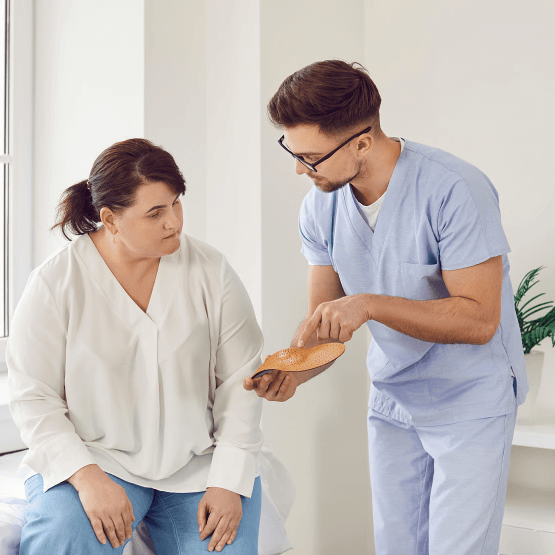
Custom orthotics – redistribute pressure, offload the tip of the toe, and improve mechanics
Padding & silicone props – protect the toe tip and relieve corns/calluses
Exercise therapy – stretching and strengthening toe extensors in flexible cases
Manual therapy & mobilisation – maintain joint mobility and prevent stiffness
Corn and callus care – podiatric debridement for immediate relief
Shockwave therapy – for associated tendon pain if present
Referral for surgery – if deformity is rigid and painful, surgical correction may involve tendon release or partial joint fusion
Symptoms
Downward bending of the toe tip at the DIP joint
Pain or irritation at the end of the toe or under the toenail
Corns or calluses on the tip of the toe from ground/shoe pressure
Thickened or damaged toenails due to repeated trauma
Redness or swelling at the DIP joint
Difficulty wearing shoes without pressure or rubbing
Stiffness or inability to straighten the toe (rigid mallet toe)
Diagnosis
At Foot and Ankle Rehabilitation, diagnosis includes:
Clinical examination – flexibility of the toe, presence of corns or calluses
Footwear review – assessing pressure points and shoe fit
Biomechanical analysis – gait and toe length pattern, bunion association
Imaging (if needed):
X-rays – assess deformity, arthritis, or underlying bone changes
Contact us to learn more about Mallet Toes treatment
If you are dealing with Mallet Toes, our team can help you find the most suitable Foot and Ankle Rehabilitation clinic for assessment, diagnosis, and treatment support.
Whether your symptoms are affecting walking, running, exercise, or daily comfort, we can guide you towards the right clinician and the right next step for your care.
Treatment options are available across Pinehill, Smales Farm, Remuera, Botany, Hamilton East, Hamilton Central and Bethlehem

Podiatrist pricing and availability
Pricing for Mallet Toes assessment and treatment can vary depending on your consultation, the severity of your symptoms, the treatment approach recommended, and whether ongoing podiatry or rehabilitation care is required.
Your Foot and Ankle Rehabilitation clinician will assess your tendon, identify the contributing factors to your pain, and explain the most appropriate treatment plan based on your symptoms, activity level, and recovery goals.
To learn more about our podiatrists and current pricing, use the links below:
10,000+
Appointments delivered across our clinics, helping patients improve foot health, mobility, and long-term outcomes.
7 Clinics
Conveniently located across Auckland, Hamilton, and Tauranga, making it easy to access a podiatrist near you.
30+ Treatments
Comprehensive podiatry services including fungal nail care, ingrown toenail treatment, rehabilitation, and general foot care.
Mallet Toes – FAQs
What is a mallet toe?
A mallet toe is a deformity where the end of the toe bends downward at the distal joint, causing the tip to press into the ground or shoe.
What causes mallet toes?
They are caused by footwear pressure, biomechanics, bunions, muscle imbalance, arthritis, or previous trauma.
How are mallet toes different from hammer toes?
Mallet toe: affects the end joint (DIP)
Hammer toe: affects the middle joint (PIP)
Claw toe: affects both joints (PIP + DIP)
Are mallet toes painful?
Yes. They often cause pain, corns, calluses, and nail changes due to pressure at the toe tip.
Can mallet toes be corrected without surgery?
Flexible mallet toes can be managed with orthotics, footwear changes, padding, and exercises. Rigid deformities may require surgery if painful.
Do orthotics help mallet toes?
Yes. Orthotics redistribute load, reduce ground pressure on the toe tip, and improve biomechanics.
What shoes are best for mallet toes?
Shoes with a deep, wide toe box and cushioning are best. Avoid shallow or narrow shoes that press on the toe tip.
Can corns from mallet toes be treated?
Yes. Corns and calluses caused by pressure can be managed with podiatry care, padding, and footwear changes.
When is surgery needed for mallet toes?
Surgery is considered when:
Pain is persistent despite conservative care
Toe is rigid and causing chronic shoe pressure
Corns/calluses or nail damage recur frequently
Can mallet toes come back after treatment?
Yes. If underlying biomechanics or footwear are not addressed, recurrence is possible. Orthotics and shoe changes reduce the risk.
Why Choose Foot and Ankle Rehabilitation?
Foot and Ankle Rehabilitation provides specialist mallet toe care, combining podiatry, physiotherapy, and conservative treatments. We focus on orthotics, footwear modification, protective padding, and exercise therapy, with referral to orthopaedics where surgery is required.