Plantar Fasciitis at Foot and Ankle Rehabilitation
Plantar fasciitis is one of the most common causes of heel and arch pain. It develops when the plantar fascia—a strong band of tissue that supports the arch—becomes overloaded and irritated, often from poor footwear, overuse, or biomechanical stress.
At Foot and Ankle Rehabilitation, our podiatrists provide expert assessment and tailored treatment to relieve heel pain, improve mobility, and prevent long-term complications. We use evidence-based therapies including orthotics, shockwave therapy, exercise rehabilitation, and footwear guidance to support lasting recovery.
What is Plantar Fasciitis?
Plantar fasciitis is one of the most common causes of heel pain. It occurs when the plantar fascia, a thick band of connective tissue that runs along the sole of the foot, becomes overloaded and irritated. This structure supports the arch of the foot and absorbs shock during walking, running, and standing.
When the plantar fascia is repeatedly strained, tiny microtears occur, leading to pain, stiffness, and inflammation, especially at its attachment to the heel bone (calcaneus).
At Foot and Ankle Rehabilitation, we specialise in identifying the underlying causes of plantar fasciitis, whether related to foot biomechanics, footwear, activity load, or systemic factors, and provide tailored treatment to relieve pain and restore function.

Causes & Risk Factors
Foot biomechanics – flat feet, excessive pronation, or high arches
Inappropriate footwear – lack of support or cushioning
Overuse and load – sudden increases in walking, running, or standing
Occupational demands – prolonged time on hard floors
Tight calf muscles/Achilles – increasing strain on the plantar fascia
High body weight – increasing load on the foot
Age (30–60 years) – more common in this age group
Sports – running, court sports, or dance
Treatment at Foot and Rehabilitation
Load & Activity Management
Advice on activity modification to reduce aggravating loads
Guidance on safe return to sport or work
Footwear & Orthotics
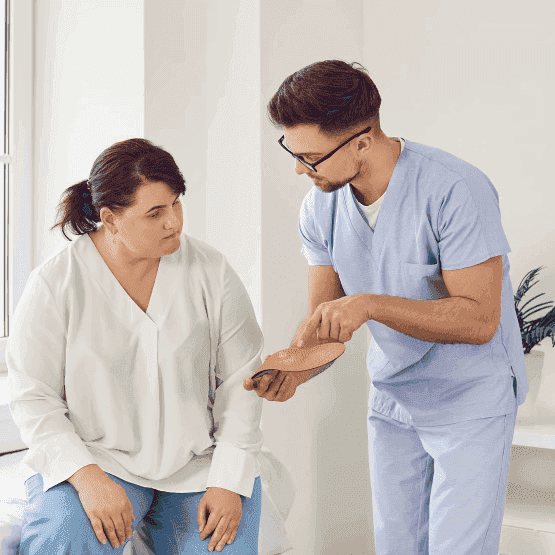
Custom orthotics to correct biomechanics and reduce fascia strain
Footwear advice – cushioned, supportive shoes for shock absorption
Rehabilitation & Strengthening
Stretching programs – calves, Achilles, and plantar fascia
Strengthening – intrinsic foot muscles, glutes, and calves
Progressive loading – eccentric and isometric exercises for tendon/fascia health
Adjunct Therapies
Shockwave therapy – evidence-based for chronic plantar fasciitis
Taping or strapping – short-term relief and offloading
Manual therapy – soft tissue release and mobility work
Night splints – in selected cases to maintain fascia stretch
Education & Prevention
Advice on pacing activity, weight management, and ongoing footwear selection
Symptoms
Sharp heel pain – especially with the first steps in the morning or after sitting
Pain located at the medial heel (inner side of the sole)
Pain that worsens after activity rather than during it
Stiffness after rest but easing slightly with movement
In chronic cases, pain may persist throughout the day and limit activity
Diagnosis
Diagnosis at Foot and Ankle Rehabilitation involves:
Clinical examination – palpation of heel and plantar fascia, functional movement tests
Gait analysis – identifying poor foot mechanics or load distribution
Ultrasound (if required) – to visualise plantar fascia thickness or tears
Exclusion of other conditions – such as stress fractures, nerve entrapment, or systemic arthropathies
Contact us to learn more about Plantar fasciitis treatment
If you are dealing with Plantar fasciitis, our team can help you find the most suitable Foot and Ankle Rehabilitation clinic for assessment, diagnosis, and treatment support.
Whether your symptoms are affecting walking, running, exercise, or daily comfort, we can guide you towards the right clinician and the right next step for your care.
Treatment options are available across Pinehill, Smales Farm, Remuera, Botany, Hamilton East, Hamilton Central and Bethlehem

Podiatrist pricing and availability
Pricing for Plantar fasciitis assessment and treatment can vary depending on your consultation, the severity of your symptoms, the treatment approach recommended, and whether ongoing podiatry or rehabilitation care is required.
Your Foot and Ankle Rehabilitation clinician will assess your tendon, identify the contributing factors to your pain, and explain the most appropriate treatment plan based on your symptoms, activity level, and recovery goals.
To learn more about our podiatrists and current pricing, use the links below:
10,000+
Appointments delivered across our clinics, helping patients improve foot health, mobility, and long-term outcomes.
7 Clinics
Conveniently located across Auckland, Hamilton, and Tauranga, making it easy to access a podiatrist near you.
30+ Treatments
Comprehensive podiatry services including fungal nail care, ingrown toenail treatment, rehabilitation, and general foot care.
Plantar Fasciitis – FAQs
What is the main cause of plantar fasciitis?
It is usually caused by repetitive strain on the plantar fascia, often from poor foot biomechanics, sudden increases in activity, or unsupportive footwear.
How do I know if my heel pain is plantar fasciitis?
Classic signs include sharp pain with first steps in the morning, tenderness at the inner heel, and pain that eases slightly with movement but worsens after activity.
Can orthotics help plantar fasciitis?
Yes. Custom orthotics reduce strain on the fascia by correcting foot mechanics and improving shock absorption.
How long does plantar fasciitis take to heal?
With appropriate management, most people improve within 6–12 weeks, though chronic cases may take longer.
Can shockwave therapy help plantar fasciitis?
Yes. Shockwave therapy is one of the most effective evidence-based treatments for chronic plantar fasciitis that hasn’t responded to rest and exercise alone.
Do I need surgery for plantar fasciitis?
Surgery is rarely required. Most cases resolve with conservative treatment, especially when biomechanics are addressed.
Can plantar fasciitis come back?
Yes. Recurrence is common if underlying causes (foot mechanics, footwear, load) are not addressed. Preventative strategies are essential.
Why Choose Foot and Ankle Rehabilitation?
Foot and Ankle Rehabilitation, we take a holistic approach to plantar fasciitis, combining:
Detailed biomechanical analysis
Custom orthotic therapy
Evidence-based rehabilitation
Shockwave therapy for stubborn cases
Our goal is not only to relieve pain but also to restore long-term foot function and prevent recurrence.