Accessory Navicular Syndrome at Foot and Ankle Rehabilitation
An accessory navicular is an extra bone on the inner arch that can cause pain, swelling, and footwear irritation. It often appears in adolescence or adulthood, especially in flat feet.
At Foot and Ankle Rehabilitation, we provide targeted care using orthotics, footwear modification, tendon rehabilitation, and shockwave therapy, with surgical referral only in resistant cases.
What is Accessory Navicular Syndrome?
An accessory navicular is an extra bone (or cartilage) located on the inner side of the foot, just above the arch, within the posterior tibial tendon. Around 10–15% of the population have this extra bone, but only some develop symptoms.
When the accessory navicular becomes irritated—usually due to footwear pressure, overuse, or excessive strain on the posterior tibial tendon—it causes pain, swelling, and dysfunction known as Accessory Navicular Syndrome.
This condition is often first noticed in adolescence when the bone ossifies, but can also appear in adults, especially those with flat feet or tendon dysfunction.
Causes & Risk Factors
Congenital – present from birth as an accessory ossicle
Overuse – repetitive strain from sport, long hours standing/walking
Foot biomechanics – flat feet, excessive pronation increasing tension on the tendon and accessory bone
Footwear – shoes pressing on the medial arch, particularly narrow or rigid shoes
Posterior Tibial Tendon Dysfunction (PTTD) – accessory navicular may worsen tendon strain
Adolescence – symptoms often arise during growth and skeletal maturation
Treatment at Foot and Rehabilitation
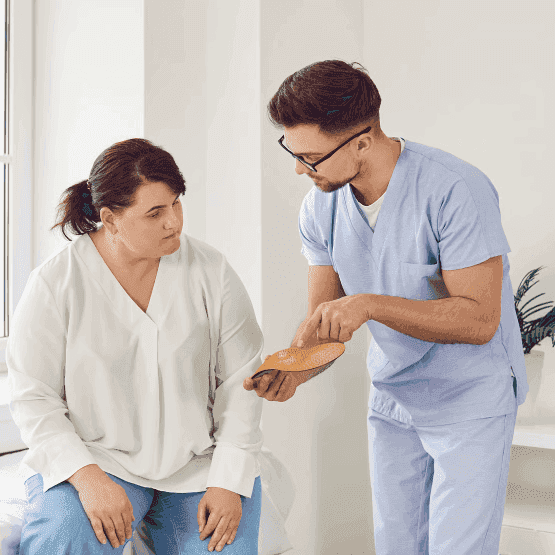
Custom orthotics – support the arch, reduce pronation, and offload the navicular
Footwear prescription – wide, supportive shoes with cushioning to avoid rubbing on the prominence
Padding or strapping – protect against direct footwear pressure
Exercise therapy – strengthen posterior tibial tendon and intrinsic foot muscles
Shockwave therapy – may assist tendon healing in chronic cases
Manual therapy and mobilisation – improve joint mechanics and reduce strain
Referral for surgery – in severe or resistant cases (Kidner procedure – removal of accessory bone and reattachment of tendon)
Symptoms
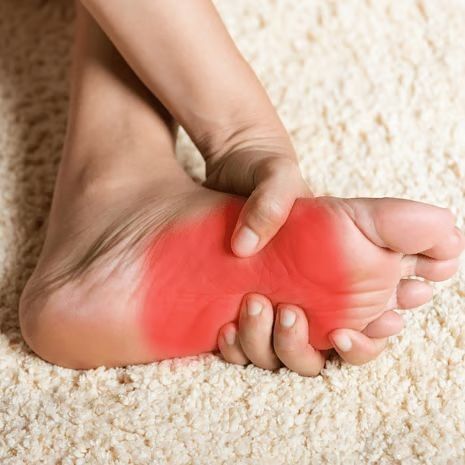
Pain and tenderness along the inside of the foot, just above the arch
Swelling or a visible bony bump on the medial midfoot
Pain with footwear rubbing on the prominence
Discomfort during walking, running, or sports
In some cases, weakness or fatigue of the arch due to tendon involvement
Diagnosis
At Foot and Ankle Rehabilitation, diagnosis includes:
Clinical history (onset during adolescence, relation to activity or footwear)
Physical examination – tenderness over navicular prominence and association with flatfoot
Gait and biomechanical assessment
Imaging:
X-rays – confirm accessory navicular and classify type (I–III)
MRI or ultrasound – to assess posterior tibial tendon inflammation or degeneration
Contact us to learn more about Accessory Navicular Syndrome treatment
If you are dealing with Accessory Navicular Syndrome, our team can help you find the most suitable Foot and Ankle Rehabilitation clinic for assessment, diagnosis, and treatment support.
Whether your symptoms are affecting walking, running, exercise, or daily comfort, we can guide you towards the right clinician and the right next step for your care.
Treatment options are available across Pinehill, Smales Farm, Remuera, Botany, Hamilton East, Hamilton Central and Bethlehem

Podiatrist pricing and availability
Pricing for Accessory Navicular Syndrome assessment and treatment can vary depending on your consultation, the severity of your symptoms, the treatment approach recommended, and whether ongoing podiatry or rehabilitation care is required.
Your Foot and Ankle Rehabilitation clinician will assess your tendon, identify the contributing factors to your pain, and explain the most appropriate treatment plan based on your symptoms, activity level, and recovery goals.
To learn more about our podiatrists and current pricing, use the links below:
10,000+
Appointments delivered across our clinics, helping patients improve foot health, mobility, and long-term outcomes.
7 Clinics
Conveniently located across Auckland, Hamilton, and Tauranga, making it easy to access a podiatrist near you.
30+ Treatments
Comprehensive podiatry services including fungal nail care, ingrown toenail treatment, rehabilitation, and general foot care.
Accessory Navicular Syndrome – FAQs
What is an accessory navicular?
It is an extra bone located on the inside of the foot, within the posterior tibial tendon. While common and often asymptomatic, it can sometimes cause pain and dysfunction.
What causes accessory navicular syndrome?
Pain develops when the accessory bone is irritated by footwear, overuse, or excessive pronation, placing strain on the posterior tibial tendon and arch.
What are the symptoms of accessory navicular syndrome?
Symptoms include pain, swelling, and a visible bump on the inside of the arch, often aggravated by footwear or activity.
How common is an accessory navicular?
Around 10–15% of people have one. Only some develop symptoms requiring treatment.
How is accessory navicular diagnosed?
Diagnosis is made with a combination of clinical examination and X-rays. MRI or ultrasound may be used to check tendon involvement.
Can orthotics help accessory navicular syndrome?
Yes. Orthotics provide arch support and biomechanical correction, reducing tension on the tendon and irritation of the accessory bone.
What shoes are best if I have accessory navicular?
Supportive shoes with a wide midfoot, soft medial uppers, and good arch support are recommended. Narrow or stiff shoes that rub against the prominence should be avoided.
Is surgery required for accessory navicular syndrome?
Surgery is rarely required. It may be considered if conservative management fails. The Kidner procedure removes the accessory bone and reattaches the tendon for long-term relief.
Can accessory navicular cause flat feet?
Yes. Because the posterior tibial tendon attaches into the navicular, dysfunction of this tendon (sometimes worsened by the accessory bone) can contribute to arch collapse and flatfoot deformity.
When should I see a podiatrist?
If you experience persistent arch pain, swelling, or footwear irritation around the navicular region, or if your arch appears to be flattening, specialist assessment is recommended.
Why Choose Foot and Ankle Rehabilitation?
Foot and Ankle Rehabilitation, provides specialist-level care for accessory navicular syndrome, integrating podiatry and physiotherapy expertise. We combine orthotics, footwear optimisation, tendon rehabilitation, and advanced therapies to restore comfort and prevent long-term complications.
With clinics in Rosedale, Takapuna, Remuera, Botany, Hamilton, and Tauranga, expert arch care is available across New Zealand.