Flat Feet Treatment at Foot and Ankle Rehabilitation
Flat fleet occurs when the arch collapses, causing the sole to sit close to the ground. Some cases are painless, but others lead to arch pain, ankle strain, and increased risk of injury.
At Foot and Ankle Rehabilitation, we assess flatfoot type and provide tailored care, including orthotics, supportive footwear, strengthening programs, and shockwave therapy, helping prevent progression to tendon dysfunction or arthritis.
What are Flat Feet?
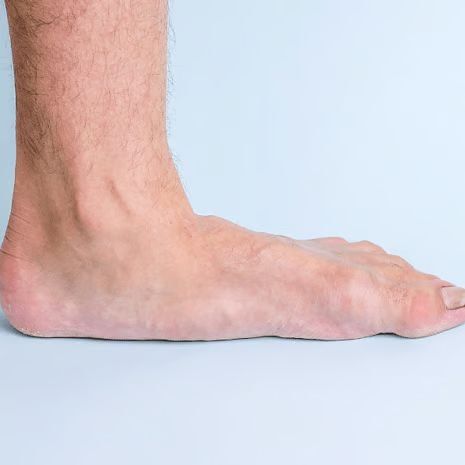
Flat fleet, also known as pes planus, occur when the arch of the foot collapses or does not develop properly, causing the entire sole to come into contact with the ground. While some flat feet are flexible and painless, others are rigid or symptomatic, leading to pain, poor biomechanics, and increased injury risk.
Flat feet may be congenital (present from birth) or acquired later in life due to tendon dysfunction (commonly posterior tibial tendon dysfunction – PTTD). In adults, progressive flatfoot deformity can cause significant disability if untreated.
At Foot and Ankle Rehabilitation, we provide comprehensive assessment and tailored treatment to restore foot function, relieve pain, and prevent progression.
Causes & Risk Factors
Congenital flatfoot – arch never fully develops
Posterior tibial tendon dysfunction (PTTD) – most common cause of acquired adult flatfoot
Ligamentous laxity – “loose joints” or hypermobility
Obesity – increases load on the arch
Foot and ankle injuries – particularly ankle sprains or fractures
Arthritis – inflammatory or degenerative changes
Neuromuscular conditions – such as cerebral palsy or muscular dystrophy
Age-related degeneration – weakening of tendon and ligament structures over time
Treatment at Foot and Rehabilitation
Custom orthotics – restore arch support, improve biomechanics, and reduce strain
Footwear prescription – supportive shoes with strong midfoot stability and cushioning
Exercise therapy – strengthening of tibialis posterior, calf, and intrinsic foot muscles
Manual therapy – mobilisation to improve ankle and midfoot function
Shockwave therapy – for chronic tendon pain associated with flatfoot
Strapping and bracing – temporary or adjunctive support
Weight management advice – reduce mechanical stress
Referral for surgery – if severe deformity or arthritis is present and conservative treatment is insufficient
Symptoms
Pain or aching in the arch, ankle, or along the inside of the foot
Feet “rolling in” excessively during walking (overpronation)
Swelling along the inside of the ankle
Fatigue in the legs after standing or walking
Difficulty with balance or prolonged activity
In advanced cases, deformity and collapse visible even at rest
Diagnosis
At Foot and Ankle Rehabilitation, diagnosis is made through:
Clinical history (onset, progression, functional limitations)
Visual arch assessment and weight-bearing examination
Functional tests – heel raise (to assess posterior tibial tendon strength), balance and gait analysis
Imaging if required:
X-ray – assess bony alignment and deformity
Ultrasound or MRI – evaluate tendon pathology (particularly PTTD)
Contact us to learn more about Flat Feet treatment
If you are dealing with Flat Feet, our team can help you find the most suitable Foot and Ankle Rehabilitation clinic for assessment, diagnosis, and treatment support.
Whether your symptoms are affecting walking, running, exercise, or daily comfort, we can guide you towards the right clinician and the right next step for your care.
Treatment options are available across Pinehill, Smales Farm, Remuera, Botany, Hamilton East, Hamilton Central and Bethlehem

Podiatrist pricing and availability
Pricing for Flat Feet assessment and treatment can vary depending on your consultation, the severity of your symptoms, the treatment approach recommended, and whether ongoing podiatry or rehabilitation care is required.
Your Foot and Ankle Rehabilitation clinician will assess your tendon, identify the contributing factors to your pain, and explain the most appropriate treatment plan based on your symptoms, activity level, and recovery goals.
To learn more about our podiatrists and current pricing, use the links below:
10,000+
Appointments delivered across our clinics, helping patients improve foot health, mobility, and long-term outcomes.
7 Clinics
Conveniently located across Auckland, Hamilton, and Tauranga, making it easy to access a podiatrist near you.
30+ Treatments
Comprehensive podiatry services including fungal nail care, ingrown toenail treatment, rehabilitation, and general foot care.
Flat Fleet - FAQs
What are flat feet?
Flat feet, or pes planus, occur when the arches of the feet collapse, causing the soles to come into near-complete or full contact with the ground.
Are flat feet always a problem?
Not always. Many people with flexible flat feet have no symptoms. However, symptomatic or progressive flatfoot can lead to pain, tendon dysfunction, and arthritis if untreated.
What causes flat feet in adults?
The most common cause is posterior tibial tendon dysfunction (PTTD). Other causes include arthritis, trauma, obesity, and degenerative changes with age.
Can flat feet cause pain?
Yes. Flat feet can cause arch pain, ankle pain, shin splints, knee pain, or even hip and back pain, due to altered biomechanics.
How are flat feet diagnosed?
Diagnosis involves clinical examination and gait analysis. Imaging such as X-ray or MRI may be used to assess deformity or tendon damage.
What is the best treatment for flat feet?
The best treatment depends on severity, but often includes:
Custom orthotics
Supportive footwear
Strengthening exercises
Shockwave therapy for associated tendon pain
Can orthotics help with flat feet?
Yes. Orthotics are highly effective in supporting the arch, improving foot alignment, and reducing strain on tendons and joints.
Do flat feet get worse with age?
Yes, in some patients. Untreated flat feet may progress to rigid deformity, arthritis, and loss of mobility over time.
Do flat feet cause problems higher up the leg?
Yes. Poor foot mechanics from flat feet can contribute to shin splints, knee pain, hip pain, and even lower back pain.
When should I see a podiatrist for flat feet?
If you experience arch pain, swelling, frequent ankle sprains, or progressive flattening of the foot, specialist assessment is recommended. Early treatment prevents complications.

Why Choose Foot and Ankle Rehabilitation?
Foot and Ankle Rehabilitation, provides specialist-level care for flat fleet combining podiatry and physiotherapy expertise. We offer orthotic prescriptions, rehabilitation, shockwave therapy, and long-term management plans to restore function and prevent progression.
With clinics in Rosedale, Takapuna, Remuera, Botany, Hamilton, and Tauranga, we provide expert arch care across New Zealand.