Metatarsalgia Treatment at Foot and Ankle Rehabilitation
Metatarsalgia describes overload pain under the ball of the foot from pressure, footwear, or biomechanics.
At Foot and Ankle Rehabilitation, we offload painful areas with custom orthotics and met pads, optimise footwear, debride callus if needed, and guide rehab to restore comfortable, efficient gait.
What is Metatarsalgia?
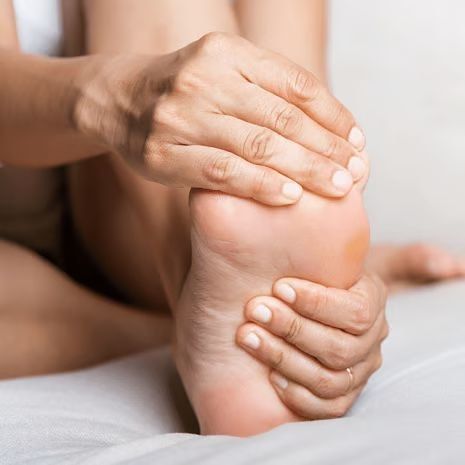
Metatarsalgia is a general term describing pain in the ball of the foot, typically under the metatarsal heads. It is not a diagnosis in itself, but rather a symptom caused by abnormal pressure, overload, or inflammation in the forefoot.
Pain is usually localised to the area just behind the toes and can feel like walking on a pebble, burning, or aching after prolonged activity. Metatarsalgia may be isolated or linked to other conditions such as bunions, Morton’s neuroma, sesamoiditis, hammertoes, or arthritis.
At Foot and Ankle Rehabilitation, we specialise in identifying the underlying cause of metatarsalgia and creating a treatment plan that reduces pain, redistributes load, and restores function.
Causes & Risk Factors
Biomechanical overload – excessive forefoot pressure from flat feet, high arches, or calf tightness
Foot deformities – bunions, hammertoes, hallux rigidus shifting load onto lesser metatarsals
Poor footwear – narrow toe boxes, high heels, minimal cushioning
Repetitive activity – running, jumping, or long periods of standing on hard surfaces
Age-related fat pad thinning – reduced natural cushioning in the forefoot
Arthritis – degeneration in the metatarsophalangeal (MTP) joints
Obesity or increased load – adding strain to forefoot structures
Associated pathology – Morton’s neuroma, sesamoiditis, plantar plate tears
Treatment at Foot and Rehabilitation
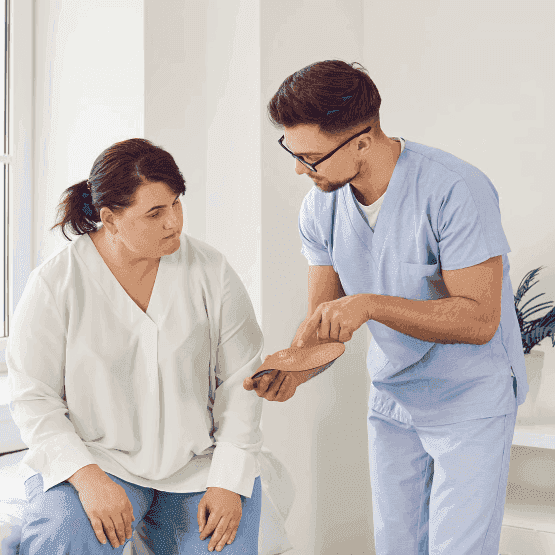
Custom orthotics – redistribute pressure, offload painful metatarsals, and support foot mechanics
Footwear advice – wider toe box, cushioned midsoles, rocker soles to reduce forefoot load
Metatarsal pads/domes – elevate and separate metatarsal heads, relieving pressure
Callus debridement – reduce focal pressure points and pain
Exercise therapy – calf flexibility, intrinsic foot strengthening, balance retraining
Shockwave therapy – for associated tendon or chronic soft tissue pain
Manual therapy & mobilisation – restore MTP joint mobility and reduce stiffness
Load management strategies – graded return to activity, surface modification, pacing
Referral – in severe or resistant cases for injection or surgical review
Symptoms
Aching, burning, or sharp pain in the ball of the foot
Pain worsening with walking, running, or prolonged standing
“Pebble in the shoe” sensation
Callus or thickened skin under the metatarsal heads
Numbness or tingling if nerves are compressed, often overlapping with neuroma
Difficulty wearing hard or narrow shoes
Diagnosis
At Foot and Ankle Rehabilitation, diagnosis includes:
History & symptom assessment – location, onset, aggravating factors
Clinical exam – palpation of metatarsal heads, plantar plate testing, evaluation of deformities
Gait & biomechanical analysis – calf length, pronation/supination, pressure distribution
Footwear assessment – contribution of shoe design to overload
Imaging:
X-ray – to assess bone alignment, arthritic changes
Ultrasound or MRI – if neuroma, plantar plate injury, or stress fracture suspected
Contact us to learn more about Metatarsalgia treatment
If you are dealing with Metatarsalgia, our team can help you find the most suitable Foot and Ankle Rehabilitation clinic for assessment, diagnosis, and treatment support.
Whether your symptoms are affecting walking, running, exercise, or daily comfort, we can guide you towards the right clinician and the right next step for your care.
Treatment options are available across Pinehill, Smales Farm, Remuera, Botany, Hamilton East, Hamilton Central and Bethlehem

Podiatrist pricing and availability
Pricing for Metatarsalgia assessment and treatment can vary depending on your consultation, the severity of your symptoms, the treatment approach recommended, and whether ongoing podiatry or rehabilitation care is required.
Your Foot and Ankle Rehabilitation clinician will assess your tendon, identify the contributing factors to your pain, and explain the most appropriate treatment plan based on your symptoms, activity level, and recovery goals.
To learn more about our podiatrists and current pricing, use the links below:
10,000+
Appointments delivered across our clinics, helping patients improve foot health, mobility, and long-term outcomes.
7 Clinics
Conveniently located across Auckland, Hamilton, and Tauranga, making it easy to access a podiatrist near you.
30+ Treatments
Comprehensive podiatry services including fungal nail care, ingrown toenail treatment, rehabilitation, and general foot care.
Metatarsalgia – FAQs
What is metatarsalgia?
Metatarsalgia is a broad term for pain in the ball of the foot, usually caused by overload or pressure under the metatarsal heads.
What causes metatarsalgia?
Common causes include flat feet, high arches, poor footwear, bunions, hammertoes, arthritis, or repetitive impact activities.
What does metatarsalgia feel like?
Patients often describe a burning ache or “walking on a pebble” sensation in the ball of the foot. Pain usually worsens with activity and eases with rest or shoe removal.
Is metatarsalgia the same as Morton’s neuroma?
No. Neuroma pain is nerve-related (burning/tingling into the toes), while metatarsalgia is load-related pain under the metatarsal heads. The two conditions may coexist.
How is metatarsalgia diagnosed?
Diagnosis involves a clinical exam, gait analysis, footwear review, and sometimes imaging to exclude neuroma, stress fracture, or plantar plate tears.
Can orthotics help metatarsalgia?
Yes. Orthotics redistribute forefoot pressure, correct biomechanics, and are often combined with metatarsal pads to relieve pain.
What are the best shoes for metatarsalgia?
Shoes with a cushioned sole, wide toe box, and mild rocker reduce forefoot load. High heels, minimal shoes, and narrow toe boxes should be avoided.
Can metatarsalgia go away on its own?
Mild cases may improve with rest and footwear changes, but recurrent or chronic pain usually requires podiatry care to address the underlying cause.
Is shockwave therapy useful for metatarsalgia?
Shockwave therapy may help if metatarsalgia is associated with chronic tendon or soft tissue pain, but its role is adjunctive to load management and orthotics.
When should I see a podiatrist?
If you have persistent ball of foot pain lasting more than 2 weeks, recurring callus, or pain interfering with activity, you should seek specialist assessment.
Why Choose Foot and Ankle Rehabilitation?
Foot and Ankle Rehabilitation provides specialist diagnosis and treatment for metatarsalgia, combining orthotics, footwear prescription, exercise therapy, and advanced treatments such as shockwave therapy. We ensure that the true cause of forefoot overload is identified and addressed.
With clinics in Rosedale, Takapuna, Remuera, Botany, Hamilton, and Tauranga, expert forefoot treatment is available across New Zealand.