Sesamoiditis Treatment at Foot and Ankle Rehabilitation
Irritation of the sesamoid bones beneath the big toe joint can make push-off painful—especially in runners and dancers.
Foot and Ankle Rehabilitation targets the cause with sesamoid offloading in orthotics, dancer’s pads, supportive footwear (often rocker soles), load management, and rehab; we arrange imaging or referral if needed.
What is Sesamoiditis?
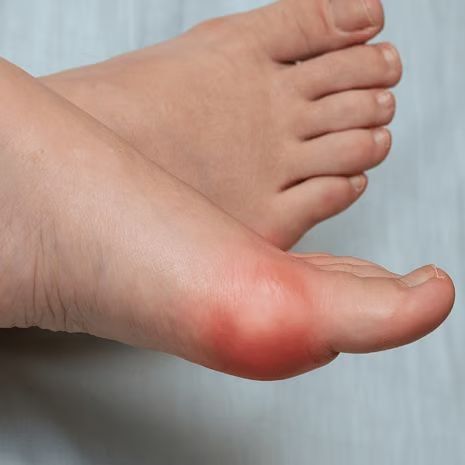
Sesamoiditis is an inflammatory condition of the sesamoid bones and surrounding soft tissues beneath the big toe joint (first metatarsophalangeal joint). The sesamoids are two small pea-shaped bones embedded in the flexor hallucis brevis tendon, acting like pulleys to improve leverage and absorb load.
With repetitive stress, overuse, or biomechanical overload, these bones and their supporting structures can become irritated, leading to pain under the big toe joint. Sesamoiditis is especially common in runners, dancers, and athletes who place significant forefoot load, but can also occur in the general population with abnormal foot mechanics.
Causes & Risk Factors
Repetitive stress/overuse – running, sprinting, jumping, dancing (especially ballet en pointe)
Biomechanical factors – high arches (cavus feet), plantarflexed first ray, hallux limitus/rigidus
Footwear – hard soles, high heels, or thin shoes without cushioning
Occupational loading – prolonged standing or forefoot pressure
Trauma – acute impact or direct blow to the big toe joint
Associated pathology – turf toe, hallux rigidus, or arthritis in the big toe joint
Fat pad thinning – reduced natural cushioning with age
Treatment at Foot and Rehabilitation
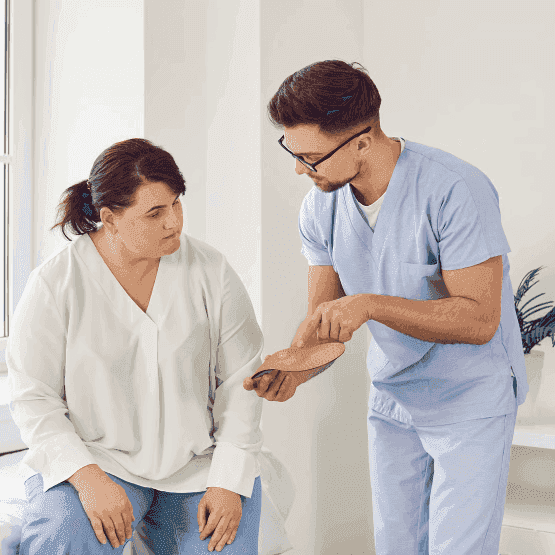
Custom orthotics – with sesamoid cut-outs or padding to offload pressure from the big toe joint
Footwear advice – cushioned shoes with stiff or rocker soles to reduce big toe loading
Padding & strapping – dancer’s pads, felt cut-outs, or strapping to protect sesamoids
Load management – rest or modification of activity (temporary reduction in running/jumping)
Exercise therapy – intrinsic foot strengthening, calf flexibility, and big toe mobility work
Manual therapy & mobilisation – restore joint mechanics and reduce stiffness
Shockwave therapy (ESWT) – for chronic soft tissue pain or delayed healing cases
Referral – if fracture, avascular necrosis, or persistent pain unresponsive to conservative care (orthopaedic options include fixation or sesamoid excision in severe cases)
Symptoms
Localised pain under the ball of the foot, specifically beneath the big toe joint
Pain that worsens with walking, running, or pushing off the big toe
Swelling or tenderness in the sesamoid region
Pain aggravated by hard or thin-soled shoes
In severe cases: bruising, stiffness, or difficulty bending the big toe
Chronic cases may progress to sesamoid stress fracture or avascular necrosis if untreated
Diagnosis
At Foot and Ankle Rehabilitation, diagnosis includes:
History & clinical examination – pinpoint tenderness under the sesamoids, pain reproduced with push-off or big toe dorsiflexion
Biomechanical analysis – arch type, first ray function, gait patterns
Imaging:
X-ray – rule out fracture, bipartite sesamoid, or degenerative change
MRI – assess bone stress, marrow oedema, or avascular necrosis
Ultrasound – detect soft tissue inflammation or bursitis
Contact us to learn more about Sesamoiditis treatment
If you are dealing with Sesamoiditis, our team can help you find the most suitable Foot and Ankle Rehabilitation clinic for assessment, diagnosis, and treatment support.
Whether your symptoms are affecting walking, running, exercise, or daily comfort, we can guide you towards the right clinician and the right next step for your care.
Treatment options are available across Pinehill, Smales Farm, Remuera, Botany, Hamilton East, Hamilton Central and Bethlehem
Podiatrist pricing and availability
Pricing for Sesamoiditis assessment and treatment can vary depending on your consultation, the severity of your symptoms, the treatment approach recommended, and whether ongoing podiatry or rehabilitation care is required.
Your Foot and Ankle Rehabilitation clinician will assess your tendon, identify the contributing factors to your pain, and explain the most appropriate treatment plan based on your symptoms, activity level, and recovery goals.
To learn more about our podiatrists and current pricing, use the links below:
10,000+
Appointments delivered across our clinics, helping patients improve foot health, mobility, and long-term outcomes.
7 Clinics
Conveniently located across Auckland, Hamilton, and Tauranga, making it easy to access a podiatrist near you.
30+ Treatments
Comprehensive podiatry services including fungal nail care, ingrown toenail treatment, rehabilitation, and general foot care.
Sesamoiditis – FAQs
What are sesamoid bones?
They are two small pea-shaped bones beneath the big toe joint. They act like pulleys to improve leverage of the tendons and absorb pressure during walking and running.
What causes sesamoiditis?
Repetitive stress, biomechanical overload (such as high arches or a plantarflexed first ray), poorly cushioned footwear, or direct trauma can all cause sesamoiditis.
What does sesamoiditis feel like?
It typically causes sharp, aching, or throbbing pain under the big toe joint, worse with push-off, running, or wearing hard-soled shoes.
How is sesamoiditis diagnosed?
Diagnosis involves clinical exam and imaging. X-rays rule out fractures, while MRI can detect bone stress or inflammation.
Can sesamoiditis heal on its own?
Mild cases may settle with rest, footwear changes, and offloading, but persistent pain usually requires podiatry care and orthotic support.
Do orthotics help sesamoiditis?
Yes. Orthotics with sesamoid cut-outs or metatarsal pads relieve pressure from the sesamoids, often providing significant pain relief.
What are the best shoes for sesamoiditis?
Supportive, cushioned shoes with rocker soles or stiff midsoles reduce big toe loading. Thin, hard, or high-heeled shoes should be avoided.
Can sesamoiditis become serious?
Yes. Chronic untreated sesamoiditis can progress to stress fracture, avascular necrosis, or degenerative arthritis of the big toe joint.
Is surgery needed for sesamoiditis?
Rarely. Surgery may be considered for fractures, necrosis, or severe unresolving pain, usually involving partial or full excision of a sesamoid bone.
When should I see a podiatrist?
If you have persistent pain under the big toe joint, swelling, or difficulty pushing off during walking/running, you should seek early assessment.
Why Choose Foot and Ankle Rehabilitation?
Foot and Ankle Rehabilitation provides specialist sesamoid care, combining orthotics, footwear modification, shockwave therapy, and rehabilitation to protect and heal the sesamoids. We also coordinate imaging, injections, or surgical referral when required.