Bunion Treatment at Foot and Ankle Rehabilitation
Bunions are a progressive big toe joint deformity that can cause pain, swelling, and footwear difficulty—not just a cosmetic concern.
At Foot and Ankle Rehabilitation, we address the drivers of your bunion with orthotics, footwear changes, mobilisation, and rehab. When needed, we coordinate orthopaedic referral and support your recovery.
What are Bunions (Hallux Valgus)?
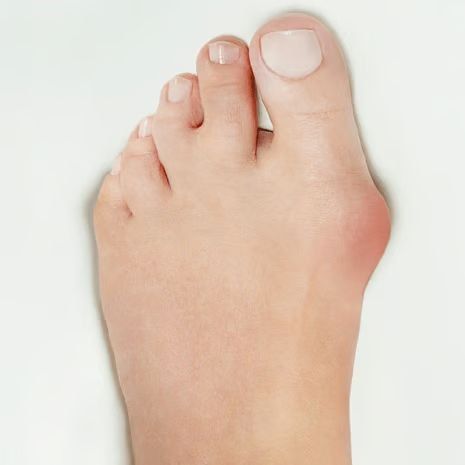
A bunion, medically termed hallux valgus, is a progressive deformity of the big toe joint (first metatarsophalangeal joint). It occurs when the big toe drifts sideways toward the second toe, while the first metatarsal bone angles outward. This creates a bony prominence on the inside of the foot.
Bunions are not simply a cosmetic issue—they represent a structural joint problem. They can cause significant pain, footwear difficulties, corns and calluses, and in advanced stages, arthritis of the big toe joint.
At Foot and Ankle Rehabilitation, we specialise in diagnosing the underlying causes of bunions, slowing their progression, and providing comprehensive management to reduce pain and improve function.
Causes & Risk Factors
Genetics – strong hereditary link, especially in those with ligamentous laxity
Foot structure – flat feet, hypermobility, or long first metatarsal bones predispose to bunions
Footwear – tight, narrow, or high-heeled shoes accelerate progression
Gender – more common in women (partly due to footwear and hormonal ligament changes)
Arthritis – particularly rheumatoid arthritis, which can deform multiple joints
Occupational and activity factors – long periods of standing, running, or sport in poor footwear
Associated deformities – hammer toes, claw toes, or hallux rigidus may develop alongside bunions
Treatment at Foot and Rehabilitation
Footwear advice – recommending wider toe box shoes, cushioned midsoles, and soft uppers to reduce irritation
Custom orthotics – control pronation, offload pressure, and slow progression
Padding and strapping – protect against shoe pressure, realign toe temporarily
Manual therapy & mobilisation – maintain joint mobility, reduce stiffness
Exercise therapy – strengthen intrinsic foot muscles and improve calf/ankle stability
Shockwave therapy – for soft tissue pain around the joint
Night splints or toe spacers – provide temporary relief but do not correct bone alignment
Referral for surgery – considered if pain is severe or footwear is intolerable. Procedures may include osteotomy (bone realignment), bunionectomy, or joint fusion/replacement in advanced arthritis
Symptoms
Visible bony bump on the inside of the big toe joint
Pain, swelling, and redness around the joint
Big toe drifting toward or overlapping the second toe
Restricted movement in the big toe joint
Difficulty wearing normal footwear
Corns or calluses caused by altered pressure
Pain worsening with activity, walking, or prolonged standing
Diagnosis
At Foot and Ankle Rehabilitation diagnosis includes:
Clinical assessment – alignment, range of motion, tenderness, callus patterns, footwear-related irritation
Biomechanical analysis – gait assessment, pronation control, load distribution across forefoot
Footwear review – examining fit and style contributing to deformity
Imaging:
X-rays – used to measure bunion severity (hallux valgus angle, intermetatarsal angle) and detect arthritis
Contact us to learn more about Bunions treatment
If you are dealing with Bunions (Hallux Valgus), our team can help you find the most suitable Foot and Ankle Rehabilitation clinic for assessment, diagnosis, and treatment support.
Whether your symptoms are affecting walking, running, exercise, or daily comfort, we can guide you towards the right clinician and the right next step for your care.
Treatment options are available across Pinehill, Smales Farm, Remuera, Botany, Hamilton East, Hamilton Central and Bethlehem

Podiatrist pricing and availability
Pricing for Bunions assessment and treatment can vary depending on your consultation, the severity of your symptoms, the treatment approach recommended, and whether ongoing podiatry or rehabilitation care is required.
Your Foot and Ankle Rehabilitation clinician will assess your tendon, identify the contributing factors to your pain, and explain the most appropriate treatment plan based on your symptoms, activity level, and recovery goals.
To learn more about our podiatrists and current pricing, use the links below:
10,000+
Appointments delivered across our clinics, helping patients improve foot health, mobility, and long-term outcomes.
7 Clinics
Conveniently located across Auckland, Hamilton, and Tauranga, making it easy to access a podiatrist near you.
30+ Treatments
Comprehensive podiatry services including fungal nail care, ingrown toenail treatment, rehabilitation, and general foot care.
Bunions (Hallux Valgus) – FAQs
What causes bunions?
Bunions are caused by a combination of genetics, foot structure, and biomechanical stress. Narrow or high-heeled shoes accelerate the condition but are not the sole cause.
Do bunions get worse over time?
Yes. Bunions are progressive—the deformity and pain usually worsen if untreated. Early podiatry care can slow progression.
Can bunions be reversed without surgery?
No. Conservative care cannot realign bone. However, podiatry treatment can reduce pain, improve function, and slow progression. Surgery is the only permanent correction.
What are the best shoes for bunions?
Wide-fitting shoes with soft uppers, cushioning, and a roomy toe box are best. High heels and narrow shoes should be avoided.
Do orthotics help bunions?
Yes. Orthotics help by correcting pronation and reducing biomechanical stress across the big toe joint, slowing progression and relieving pain.
When is bunion surgery needed?
Surgery may be recommended when:
Pain persists despite conservative care
Normal footwear cannot be worn
Deformity is severe
Arthritis develops in the big toe joint
Can bunions return after surgery?
Yes. If underlying biomechanics are not addressed, bunions may recur. Post-surgical orthotics and footwear modification help prevent recurrence.
Are bunions linked to arthritis?
Yes. Bunions increase stress on the big toe joint, leading to hallux rigidus (big toe arthritis). Rheumatoid arthritis also predisposes to bunion development.
Can bunions cause other problems?
Yes. Bunions often lead to hammer toes, calluses, corns, and metatarsalgia, as the altered forefoot mechanics overload surrounding structures.
When should I see a podiatrist for a bunion?
If you have persistent pain, swelling, footwear problems, or progressive deformity, early assessment helps slow progression and prevent complications.

Why Choose Foot and Ankle Rehabilitation?
Foot and Ankle Rehabilitation, provides specialist bunion care, integrating podiatry and physiotherapy expertise. We use orthotics, footwear optimisation, manual therapy, and rehabilitation to manage bunions conservatively, and work closely with orthopaedic surgeons when surgery is necessary.