Vascular and Circulatory Leg Issues Treatment at Foot and Ankle Rehabilitation
Vascular and circulatory issues include arterial disease with walking pain and cold feet, and venous problems causing swelling, heaviness, and skin changes. Diabetes increases complication risk.
At Foot and Ankle Rehabilitation, we screen with Doppler/ABPI, protect tissue with footwear and orthotics, support wound care, and coordinate timely vascular referrals.
What are Vascular & Circulatory
Leg Issues?
The legs and feet rely on healthy blood flow to deliver oxygen and nutrients to tissues. When circulation is impaired, patients may experience pain, swelling, fatigue, skin changes, or delayed healing.
Vascular issues may involve:
Arterial problems – reduced blood flow due to peripheral arterial disease (PAD), narrowing or blockages in the arteries.
Venous problems – poor return of blood to the heart due to varicose veins, venous insufficiency, or deep vein thrombosis (DVT).
These conditions range from minor discomfort to serious complications, particularly in people with diabetes, vascular disease, or high cardiovascular risk.
At Foot and Ankle Rehabilitation, we provide specialist podiatry assessment, vascular screening, and referral coordination, helping patients manage circulation-related leg problems before they progress.
Causes & Risk Factors
Peripheral arterial disease (PAD):
Atherosclerosis (cholesterol plaques) narrowing leg arteries
Smoking, diabetes, hypertension, high cholesterol
Venous disease:
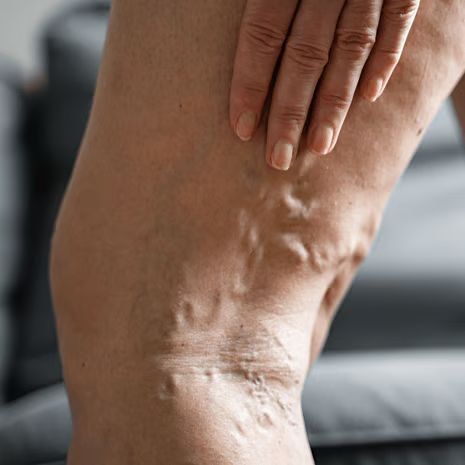
Valve dysfunction in leg veins causing varicose veins or swelling
Prolonged standing, sedentary lifestyle, obesity
Family history of venous insufficiency
Diabetes: increased risk of poor circulation and ulceration
Blood clotting disorders: increasing risk of DVT
Ageing: progressive decline in circulation
Previous injury or surgery: damage to vascular structures
Treatment at Foot and Rehabilitation
Arterial disease (PAD):
Education on lifestyle (exercise, smoking cessation, diet)
Footwear and orthotics to reduce pressure on compromised tissue
Wound care for ulcers and delayed healing
Referral to vascular specialist for medical/surgical management (angioplasty, bypass)
Venous disease:
Compression therapy (if arterial supply adequate)
Exercise and mobility programs
Orthotics and footwear advice to improve circulation
Referral for venous surgery or specialist review if severe
DVT:
Immediate referral to ED or GP for urgent imaging and anticoagulation
Post-recovery: ongoing podiatry care for swelling and skin management
Symptoms
Arterial issues (PAD):
Leg pain or cramping when walking (intermittent claudication)
Cold feet or toes, pale or bluish skin
Delayed wound healing or non-healing ulcers
Absent or weak pulses in the foot
Venous issues:
Aching, heaviness, or fatigue in the legs
Swelling (oedema), especially at the end of the day
Varicose veins – enlarged, twisted, visible veins
Brownish skin discolouration around ankles
Skin thickening or ulcers in severe cases
DVT (medical emergency):
Sudden swelling, pain, redness, heat in one leg
Requires urgent referral for imaging and anticoagulation
Diagnosis
At Foot and Ankle Rehabilitation, diagnosis includes:
Clinical examination – assessing pulses, skin colour, temperature, swelling, varicosities
Doppler ultrasound (in-clinic) – assessing arterial and venous flow
ABPI (Ankle Brachial Pressure Index) testing – screening for arterial disease
Medical history & risk factor screening – diabetes, smoking, cardiovascular risk
Referral for imaging – duplex ultrasound, angiography, or vascular consultation when required
Contact us to learn more about Vascular and Circulatory Leg Issues treatment
If you are dealing with Vascular and Circulatory Leg Issues, our team can help you find the most suitable Foot and Ankle Rehabilitation clinic for assessment, diagnosis, and treatment support.
Whether your symptoms are affecting walking, running, exercise, or daily comfort, we can guide you towards the right clinician and the right next step for your care.
Treatment options are available across Pinehill, Smales Farm, Remuera, Botany, Hamilton East, Hamilton Central and Bethlehem

Podiatrist pricing and availability
Pricing for Vascular and Circulatory Leg Issues assessment and treatment can vary depending on your consultation, the severity of your symptoms, the treatment approach recommended, and whether ongoing podiatry or rehabilitation care is required.
Your Foot and Ankle Rehabilitation clinician will assess your tendon, identify the contributing factors to your pain, and explain the most appropriate treatment plan based on your symptoms, activity level, and recovery goals.
To learn more about our podiatrists and current pricing, use the links below:
10,000+
Appointments delivered across our clinics, helping patients improve foot health, mobility, and long-term outcomes.
7 Clinics
Conveniently located across Auckland, Hamilton, and Tauranga, making it easy to access a podiatrist near you.
30+ Treatments
Comprehensive podiatry services including fungal nail care, ingrown toenail treatment, rehabilitation, and general foot care.
Vascular and Circulatory Leg Issues – FAQs
What causes poor circulation in the legs?
Poor circulation may be due to arterial blockages (PAD) or venous insufficiency where veins struggle to return blood to the heart.
How do I know if I have vascular disease?
Common signs include leg pain with walking, cold feet, swelling, varicose veins, or delayed wound healing.
What is PAD?
Peripheral arterial disease (PAD) is narrowing of the leg arteries due to atherosclerosis, reducing blood flow to the legs and feet.
Are varicose veins dangerous?
Varicose veins are usually not life-threatening but can cause swelling, skin changes, and ulcers if untreated.
What is intermittent claudication?
It is cramping leg pain when walking, caused by PAD. It eases with rest but indicates reduced blood supply.
Can podiatrists check circulation?
Yes. At Foot and Ankle Rehabilitation, we use Doppler ultrasound and ABPI testing to assess foot and leg blood flow.
Can orthotics help circulation problems?
Yes. Orthotics and footwear modifications reduce pressure on vulnerable tissue, improving comfort and preventing ulcers.
Is DVT the same as varicose veins?
No. DVT is a dangerous blood clot requiring emergency treatment, whereas varicose veins are due to valve failure in superficial veins.
Can vascular problems cause foot ulcers?
Yes. Both PAD and venous disease can lead to non-healing wounds and ulcers if untreated.
When should I see a podiatrist?
If you have leg pain with walking, swelling, varicose veins, slow-healing wounds, or cold feet, podiatry assessment is recommended.
Why Choose Foot and Ankle Rehabilitation?
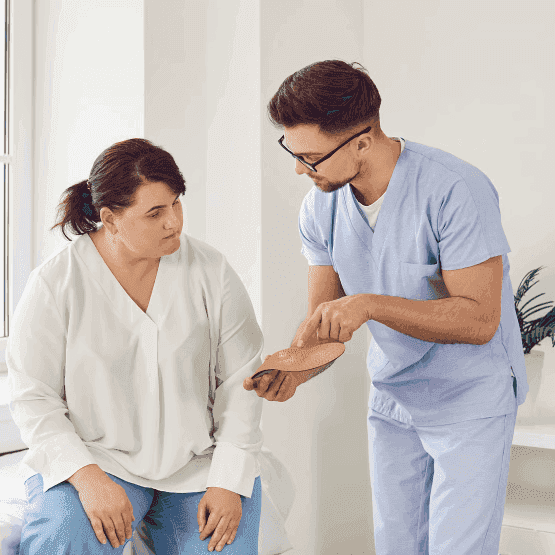
Foot and Ankle Rehabilitation provides specialist vascular and circulatory assessments, integrating podiatry care, wound management, and risk factor screening. We collaborate with vascular specialists and GPs for comprehensive management of arterial and venous disease.