Shin Splints Treatment at Foot and Ankle Rehabilitation
Shin splints cause aching along the inner shin from repetitive overload of bone and soft tissues—common in runners, recruits, and anyone ramping up training too quickly. Left unchecked, symptoms can progress toward stress injury and prolonged downtime.
At Foot and Ankle Rehabilitation, we pinpoint the real drivers—biomechanics, footwear, and training load—and tailor care with custom orthotics, shockwave therapy, and a structured return-to-running plan.
What are Shin Splints?
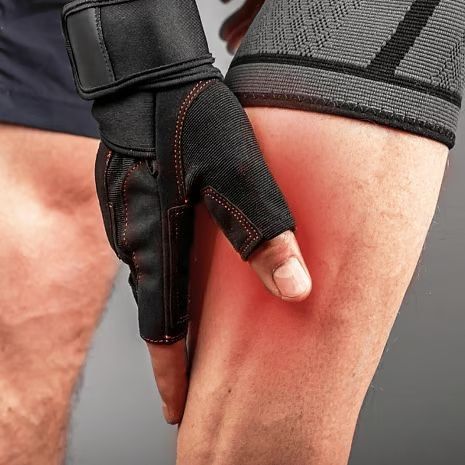
Shin splints (medial tibial stress syndrome) refer to pain along the inner border of the shin bone (tibia) caused by inflammation and overload of the muscles, tendons, and periosteum (bone lining) in this region.
It is one of the most common lower leg overuse injuries, particularly in runners, athletes, and military personnel. Without proper treatment, shin splints may progress to more serious injuries such as stress fractures.
At Foot and Ankle Rehabilitattion, we provide comprehensive assessment and management, targeting both pain relief and the underlying biomechanical and training factors that cause shin splints.
Causes & Risk Factors
Overuse & training load – sudden increases in running or training volume
Foot biomechanics – flat feet, overpronation, or high arches causing stress on shin muscles
Poor footwear – worn-out or unsupportive shoes lacking shock absorption
Hard surfaces – running on concrete, artificial turf, or hard ground
Muscle weakness or imbalance – calf tightness, weak hip stabilisers
Previous injury – history of stress fractures or recurrent leg pain
Occupational stress – military training, long-distance marching, or repetitive standing
Treatment at Foot and Rehabilitation
Load management – advice on modifying training to reduce stress on shins
Custom orthotics – to correct biomechanics, reduce pronation, and offload tibial stress
Footwear advice – supportive shoes with cushioning and shock absorption
Shockwave therapy – evidence-based treatment to stimulate healing and reduce pain
Exercise rehabilitation – strengthening calf, hip, and core muscles; stretching tight calves and hamstrings
Manual therapy & massage – to relieve muscle tension and improve circulation
Education – training surfaces, running technique, and injury prevention strategies
Referral – for imaging or sports medicine assessment if severe or non-responsive
Symptoms
Pain along the inner edge of the shin bone (medial tibia)
Pain that initially occurs with exercise, then persists during rest as it worsens
Tenderness and swelling along the shin
Ache or throbbing after activity, sometimes during sleep
Symptoms aggravated by running, jumping, or prolonged standing
Relief with rest in early stages, but persistent pain in advanced cases
Diagnosis
At Foot and Ankle Rehabilitation, diagnosis includes:
Clinical examination – palpation along the tibia, biomechanical assessment, activity history
Gait analysis – to detect abnormal loading or movement patterns
Imaging referral (if required):
X-ray – to exclude stress fracture
MRI or bone scan – for detailed assessment in persistent cases
Contact us to learn more about Shin splints treatment
If you are dealing with Shin splints, our team can help you find the most suitable Foot and Ankle Rehabilitation clinic for assessment, diagnosis, and treatment support.
Whether your symptoms are affecting walking, running, exercise, or daily comfort, we can guide you towards the right clinician and the right next step for your care.
Treatment options are available across Pinehill, Smales Farm, Remuera, Botany, Hamilton East, Hamilton Central and Bethlehem

Podiatrist pricing and availability
Pricing for Shin splints assessment and treatment can vary depending on your consultation, the severity of your symptoms, the treatment approach recommended, and whether ongoing podiatry or rehabilitation care is required.
Your Foot and Ankle Rehabilitation clinician will assess your tendon, identify the contributing factors to your pain, and explain the most appropriate treatment plan based on your symptoms, activity level, and recovery goals.
To learn more about our podiatrists and current pricing, use the links below:
10,000+
Appointments delivered across our clinics, helping patients improve foot health, mobility, and long-term outcomes.
7 Clinics
Conveniently located across Auckland, Hamilton, and Tauranga, making it easy to access a podiatrist near you.
30+ Treatments
Comprehensive podiatry services including fungal nail care, ingrown toenail treatment, rehabilitation, and general foot care.
Shin Splints – FAQs
What causes shin splints?
They are caused by repetitive stress on the shin bone and surrounding tissues, often from overuse, poor biomechanics, or improper footwear.
Who gets shin splints?
They are common in runners, athletes, dancers, and military recruits, but can affect anyone increasing activity suddenly.
How do I know if I have shin splints or a stress fracture?
Shin splints usually cause diffuse pain along the shin, while a stress fracture causes sharp, localised pain that worsens with activity. Imaging may be required to confirm.
Can orthotics help shin splints?
Yes. Orthotics correct foot alignment and loading patterns, reducing tibial stress and preventing recurrence.
Do shin splints go away on their own?
Mild cases may improve with rest, but without addressing underlying causes, shin splints often return.
How long do shin splints take to heal?
Most cases improve within 4–8 weeks with proper treatment, though chronic cases may take longer.
Is shockwave therapy effective for shin splints?
Yes. Shockwave therapy can stimulate healing, reduce pain, and accelerate recovery in persistent cases.
Can I keep running with shin splints?
Continuing to run without modification risks worsening the condition or developing a stress fracture. Professional guidance is essential.
Are shin splints serious?
They can progress to stress fractures or chronic pain if untreated, so early management is important.
When should I see a podiatrist?
If shin pain persists beyond a week, worsens with exercise, or interferes with activity, podiatry assessment is recommended.

Why Choose Foot and Ankle Rehabilitation?
Foot and Ankle Rehabilitation provides specialist shin splint treatment, integrating podiatry, physiotherapy, orthotics, and exercise rehabilitation. Our approach focuses not only on pain relief but also on correcting biomechanics and preventing recurrence.