Sever’s Disease Treatment at Foot and Ankle Rehabilitation
Sever’s disease is the leading cause of heel pain in children and adolescents, caused by stress at the heel’s growth plate during activity and growth spurts.
At Foot and Ankle Rehabilitation, we use orthotics, footwear support, stretching, and load management to relieve pain, protect the heel, and help children return to sport safely.
What is Sever’s Disease?
Sever’s disease, also known as calcaneal apophysitis, is the most common cause of heel pain in children and adolescents aged 8–14 years. It is not a disease but rather an overuse injury of the growth plate (apophysis) in the heel bone.
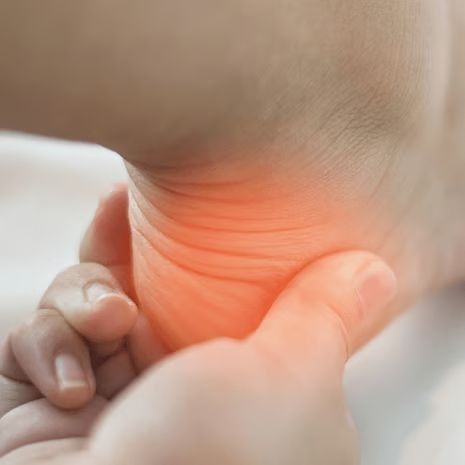
During growth, the heel bone develops an open growth plate at the back of the heel where the Achilles tendon attaches. Repetitive stress and traction on this growth plate can cause inflammation, pain, and swelling.
At Foot and Ankle Rehabilitation, we provide specialist assessment and treatment for children’s heel pain, helping young athletes and active children return to activity safely and prevent recurrence.
Causes & Risk Factors
Rapid growth spurts – bones grow faster than muscles, increasing traction on the heel
Repetitive activity – running, jumping, field and court sports
Tight calf muscles – reduced ankle flexibility increases stress on the heel
Biomechanics – flat feet, high arches, or overpronation increasing Achilles pull
Poor footwear – unsupportive or worn-out sports shoes
Hard playing surfaces – artificial turf, concrete courts, or hard fields
Age & sex – most common in active boys aged 9–12 and girls aged 8–11, but can persist into teenage years
Treatment at Foot and Rehabilitation
Activity modification – temporary reduction in high-impact sports (running, jumping) with gradual return to activity
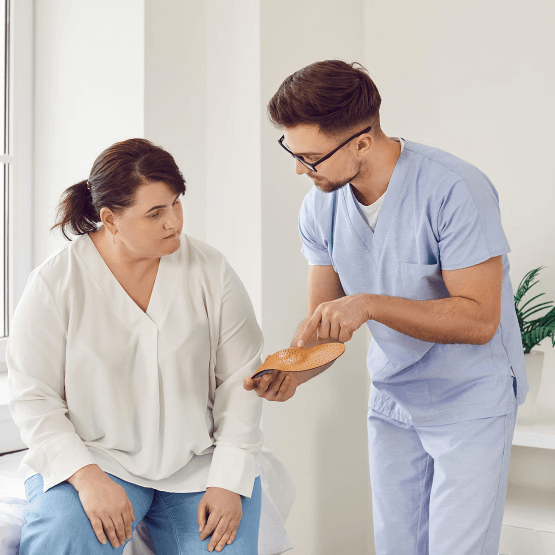
Custom orthotics – offload the heel and correct biomechanics to reduce Achilles traction
Heel cups / cushioned insoles – absorb shock and reduce direct impact on the heel
Footwear advice – supportive sports shoes with cushioning and firm heel counters
Exercise therapy – calf stretches, Achilles mobility, strengthening of intrinsic foot muscles
Ice & load management – after sport or activity to reduce pain and inflammation
Education – guidance for parents and athletes on managing symptoms during growth
Referral – if pain is severe, atypical, or not resolving with conservative care
Symptoms
Pain in one or both heels, usually at the back or underside of the heel
Pain worsens with running, jumping, or sports activity, and improves with rest
Tenderness when squeezing the heel bone (squeeze test)
Limping, tiptoe walking, or refusal to participate in sport due to pain
Stiffness in the morning or after activity
Symptoms often occur during growth spurts and resolve when growth plate closes (around age 14–15)
Diagnosis
At Foot and Ankle Rehabilitation, diagnosis includes:
Clinical examination – heel squeeze test, palpation, gait analysis
Growth and activity history – age, growth spurts, sports load, footwear
Biomechanical assessment – foot posture, calf length, pronation/supination control
Imaging – X-rays are not usually necessary, but may be used to exclude stress fracture, infection, or other causes of heel pain in atypical cases
Contact us to learn more about Sever’s Disease treatment
If you are dealing with Sever’s Disease, our team can help you find the most suitable Foot and Ankle Rehabilitation clinic for assessment, diagnosis, and treatment support.
Whether your symptoms are affecting walking, running, exercise, or daily comfort, we can guide you towards the right clinician and the right next step for your care.
Treatment options are available across Pinehill, Smales Farm, Remuera, Botany, Hamilton East, Hamilton Central and Bethlehem
Podiatrist pricing and availability
Pricing for Sever’s Disease assessment and treatment can vary depending on your consultation, the severity of your symptoms, the treatment approach recommended, and whether ongoing podiatry or rehabilitation care is required.
Your Foot and Ankle Rehabilitation clinician will assess your tendon, identify the contributing factors to your pain, and explain the most appropriate treatment plan based on your symptoms, activity level, and recovery goals.
To learn more about our podiatrists and current pricing, use the links below:
10,000+
Appointments delivered across our clinics, helping patients improve foot health, mobility, and long-term outcomes.
7 Clinics
Conveniently located across Auckland, Hamilton, and Tauranga, making it easy to access a podiatrist near you.
30+ Treatments
Comprehensive podiatry services including fungal nail care, ingrown toenail treatment, rehabilitation, and general foot care.
Sever’s Disease – FAQs
What is Sever’s disease?
Sever’s disease is heel pain caused by irritation of the growth plate in the heel bone, most common in active children during growth spurts.
At what age does Sever’s disease occur?
It typically affects boys aged 9–12 and girls aged 8–11, but may occur in adolescents up to age 14–15 until the growth plate closes.
What does Sever’s disease feel like?
Children usually complain of heel pain during or after sport, limp after activity, or avoid participation. Pain often improves with rest.
How is Sever’s disease diagnosed?
Diagnosis is made with a clinical examination (heel squeeze test, activity history). Imaging is rarely required unless symptoms are atypical.
Can Sever’s disease affect both heels?
Yes. It is common for Sever’s disease to be bilateral, affecting both heels at the same time.
Do orthotics help Sever’s disease?
Yes. Custom orthotics or heel cups help offload the heel and support biomechanics, reducing stress on the growth plate.
What shoes are best for Sever’s disease?
Supportive sports shoes with cushioning, firm heel counters, and shock-absorbing midsoles are recommended. Avoid worn-out shoes and flat, unsupportive trainers.
Can children keep playing sport with Sever’s disease?
Yes, often with modified activity, orthotic support, and load management. If pain is severe, temporary rest may be required. A graded return to sport is recommended.
Does Sever’s disease cause long-term problems?
No. Symptoms usually resolve once the growth plate closes. With proper management, children return to full activity without long-term damage.
When should I see a podiatrist?
If your child has persistent heel pain lasting more than a week, limping, or pain that stops them from sport, early podiatry assessment is recommended.
Why Choose Foot and Ankle Rehabilitation?
Foot and Ankle Rehabilitation provides specialist care for children’s heel pain, integrating podiatry and physiotherapy expertise. We use orthotics, footwear optimisation, and exercise therapy to manage Sever’s disease effectively while supporting safe return to sport.