Sacroiliac Joint Dysfunction & Lower Back Pain at Foot and Ankle Rehabilitation
The sacroiliac joints connect the spine to the pelvis and can become painful when misaligned or overloaded. Foot posture, leg length differences, and poor biomechanics are common drivers.
At Foot and Ankle Rehabilitation, we correct these underlying causes using orthotics, footwear optimisation, and gait retraining. Our integrated approach reduces pain and supports lasting spinal health.
What is Sacroiliac Joint Dysfunction & Lower Back Pain?
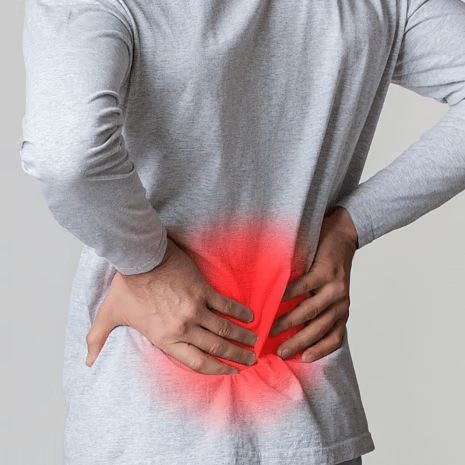
The sacroiliac joints (SIJs) connect the spine to the pelvis, transferring forces from the upper body to the lower limbs. When these joints are irritated or unstable, patients may experience pain in the lower back, buttocks, or hips, sometimes radiating into the legs.
Lower back pain is one of the most common musculoskeletal conditions worldwide. While its causes are multifactorial, foot and lower limb biomechanics often play a significant role. Flat feet, high arches, or leg length discrepancies can alter pelvic alignment, increasing stress on the sacroiliac joints and lumbar spine.
At Foot and Ankle Rehabilitation, we specialise in identifying and correcting these foot-driven contributors to back pain through orthotics, footwear advice, and gait optimisation.
Causes & Risk Factors
Flat feet or excessive pronation – rotate the pelvis and increase lumbar stress
High arches (cavus feet) – poor shock absorption, transmitting excessive force upwards
Leg length discrepancy – uneven pelvic loading and SIJ irritation
Poor footwear – unsupportive shoes failing to stabilise the foot and pelvis
Occupational demands – prolonged standing, heavy lifting, or sitting
Pregnancy – hormonal changes causing SIJ laxity and instability
Previous injuries – ankle, knee, or hip trauma altering gait
Weak gluteal or core muscles – poor stabilisation of pelvis and spine
Treatment at Foot and Rehabilitation
Foot & Biomechanical Correction
Custom orthotics – to correct pronation, balance pelvic alignment, and reduce back strain
Heel lifts – if leg length discrepancy contributes to pelvic tilt
Footwear advice – recommending supportive shoes with cushioning and stability
Load & Activity Management
Guidance on sitting posture, lifting technique, and standing breaks
Gradual reintroduction of activities with biomechanical correction
Rehabilitation
Referral to physiotherapy for:
Core strengthening to stabilise the lumbar spine
Gluteal strengthening to support the pelvis
Postural retraining
Adjunct Therapies
Shockwave therapy – may help with chronic soft tissue pain around the pelvis
Manual therapy – to relieve tight surrounding muscles
Referral – to spine or pain specialists if severe or unresponsive
Symptoms
Pain in the lower back, buttock, or outer hip
Pain that worsens with standing, walking, or climbing stairs
Stiffness after prolonged sitting or upon waking in the morning
Radiating discomfort into the groin or thigh (sometimes mimicking sciatica)
Clicking or “locking” sensation in the lower back or pelvis
Uneven posture or pelvic tilt
Diagnosis
At Foot and Ankle Rehabilitation, diagnosis includes:
Comprehensive biomechanical assessment – foot posture, gait, pelvic alignment
Leg length evaluation – to check for discrepancies contributing to SIJ dysfunction
Functional testing – single-leg stance, gait observation, core/hip control tests
Differentiation from mimics – disc herniation, sciatica, hip pathology
Referral for imaging – X-ray or MRI if needed for complex cases
Contact us to learn more about Sacroiliac Joint Dysfunction & Lower Back Pain treatment
If you are dealing with Sacroiliac Joint Dysfunction & Lower Back Pain, our team can help you find the most suitable Foot and Ankle Rehabilitation clinic for assessment, diagnosis, and treatment support.
Whether your symptoms are affecting walking, running, exercise, or daily comfort, we can guide you towards the right clinician and the right next step for your care.
Treatment options are available across Pinehill, Smales Farm, Remuera, Botany, Hamilton East, Hamilton Central and Bethlehem

Podiatrist pricing and availability
Pricing for Sacroiliac Joint Dysfunction & Lower Back Pain assessment and treatment can vary depending on your consultation, the severity of your symptoms, the treatment approach recommended, and whether ongoing podiatry or rehabilitation care is required.
Your Foot and Ankle Rehabilitation clinician will assess your tendon, identify the contributing factors to your pain, and explain the most appropriate treatment plan based on your symptoms, activity level, and recovery goals.
To learn more about our podiatrists and current pricing, use the links below:
10,000+
Appointments delivered across our clinics, helping patients improve foot health, mobility, and long-term outcomes.
7 Clinics
Conveniently located across Auckland, Hamilton, and Tauranga, making it easy to access a podiatrist near you.
30+ Treatments
Comprehensive podiatry services including fungal nail care, ingrown toenail treatment, rehabilitation, and general foot care.
Sacroiliac Joint Dysfunction & Lower Back Pain – FAQs
Can foot problems cause lower back pain?
Yes. Poor foot mechanics such as flat feet or leg length differences can tilt the pelvis and overload the SIJs and lumbar spine.
How do orthotics help with back pain?
Orthotics improve foot posture and pelvic alignment, reducing abnormal stresses transferred to the spine.
Is SIJ pain the same as sciatica?
No. SIJ dysfunction usually causes buttock or lower back pain, while sciatica follows the nerve pathway down the leg.
Can poor shoes cause back pain?
Yes. Unsupportive or worn-out shoes increase instability, forcing the back and pelvis to compensate.
Do podiatrists treat back pain?
Yes. Podiatrists address the foot mechanics that drive pelvic and lumbar stress, often overlooked in back pain treatment.
Can orthotics fix leg length differences?
Yes. Orthotics or heel lifts can correct minor discrepancies, improving pelvic alignment.
How long does it take for back pain to improve with orthotics?
Many patients notice improvement within 4–6 weeks, especially when combined with footwear and rehab.
When should I see a podiatrist?
If back pain is persistent, worsens with standing/walking, or is linked to foot mechanics, podiatry assessment is recommended.

Why Choose Foot and Ankle Rehabilitation?
Foot and Ankle Rehabilitation, we treat sacroiliac joint dysfunction and back pain from the ground up. By correcting foot mechanics with orthotics, footwear optimisation, and gait retraining, we reduce stress on the pelvis and spine. Our integrated care with physiotherapists ensures comprehensive rehabilitation and long-term prevention.