Posterior Tibial Tendon Dysfunction at Foot and Ankle Rehabilitation
Posterior Tibial Tendon Dysfunction (PTTD) is a progressive condition that weakens the tendon running along the inside of the ankle, leading to arch collapse and increasing ankle pain. Over time, this can develop into adult-acquired flatfoot and even ankle arthritis if left untreated.
Early management is key. At Foot and Ankle Rehabilitation, we focus on accurate diagnosis and tailored treatment to support the arch, strengthen the tendon, and restore stability. With specialist care, many patients can prevent progression and maintain an active lifestyle.
What is Posterior Tibial Tendon Dysfunction (PTTD)?
The posterior tibial tendon runs along the inside of the ankle, connecting the calf muscles to the arch of the foot. Its role is to support the medial longitudinal arch and stabilise the ankle during walking.
Posterior Tibial Tendon Dysfunction (PTTD) occurs when this tendon becomes overstretched, inflamed, or degenerative, leading to progressive collapse of the arch and increasing ankle pain. If untreated, it can progress to adult-acquired flatfoot deformity and ankle arthritis.
At Foot and Ankle Rehabilitation, we specialise in the early diagnosis and management of PTTD, preventing progression and restoring function through advanced rehabilitation, orthotics, and supportive therapies.
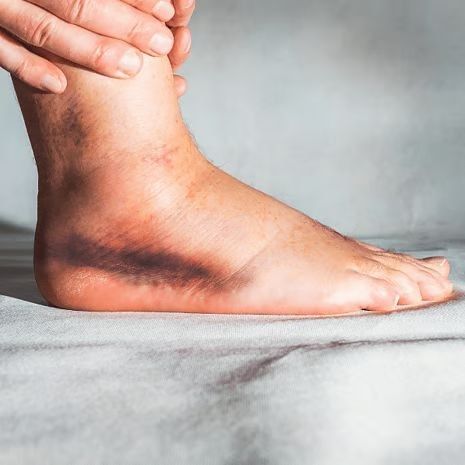
Causes & Risk Factors
Overuse – repetitive walking, running, or high-impact activity
Biomechanical strain – flat feet (pes planus), excessive pronation
Age-related degeneration – reduced tendon vascularity and elasticity
Previous ankle injuries – increasing load on the posterior tibial tendon
Obesity – increased load on the tendon and arch
Systemic conditions – diabetes, inflammatory arthritis
Poor footwear – inadequate arch support, worn-out shoes
Gender – more common in women over 40
Treatment at Foot and Rehabilitation
Custom orthotics – support the arch and reduce tendon strain
Ankle-foot orthoses (AFOs) – for advanced cases requiring external bracing
Footwear modification – supportive shoes with strong medial support
Exercise therapy – strengthening of tibialis posterior, intrinsic foot, and calf muscles
Manual therapy – improve mobility and reduce stiffness
Shockwave therapy (ESWT) – stimulate tendon healing in degenerative cases
Strapping or bracing – temporary relief and stabilisation
Weight management support – reduce load on tendon and joints
Referral for surgery – in severe or advanced cases (tendon transfer, osteotomy, or fusion procedures)
Symptoms
Pain and swelling along the inside of the ankle and foot
Flattening of the arch over time (progressive flatfoot)
Pain worsening with activity, particularly walking or standing for long periods
Inability to perform a single-leg heel raise on the affected side
“Rolling in” of the ankle (excessive pronation)
In advanced cases, pain may spread to the outside of the ankle due to joint strain
Stages of PTTD
Stage I: Mild tendon inflammation, no deformity
Stage II: Arch flattening begins, tendon elongates, ankle instability
Stage III: Rigid flatfoot deformity, arthritis may develop
Stage IV: Ankle joint involvement, severe deformity and arthritis
Diagnosis
At Foot and Ankle Rehabilitation, diagnosis is made through:
Clinical examination of tendon tenderness, arch collapse, and ankle alignment
Functional testing (single-leg heel raise, gait analysis)
Biomechanical assessment of pronation and load distribution
Imaging:
Ultrasound – tendon thickening, degeneration, or tears
MRI – detailed tendon evaluation and arthritis assessment
X-rays – in later stages to confirm deformity and arthritis
Contact us to learn more about Posterior Tibial Tendon Dysfunction treatment
If you are dealing with Posterior Tibial Tendon Dysfunction, our team can help you find the most suitable Foot and Ankle Rehabilitation clinic for assessment, diagnosis, and treatment support.
Whether your symptoms are affecting walking, running, exercise, or daily comfort, we can guide you towards the right clinician and the right next step for your care.
Treatment options are available across Pinehill, Smales Farm, Remuera, Botany, Hamilton East, Hamilton Central and Bethlehem

Podiatrist pricing and availability
Pricing for Posterior Tibial Tendon Dysfunction assessment and treatment can vary depending on your consultation, the severity of your symptoms, the treatment approach recommended, and whether ongoing podiatry or rehabilitation care is required.
Your Foot and Ankle Rehabilitation clinician will assess your tendon, identify the contributing factors to your pain, and explain the most appropriate treatment plan based on your symptoms, activity level, and recovery goals.
To learn more about our podiatrists and current pricing, use the links below:
10,000+
Appointments delivered across our clinics, helping patients improve foot health, mobility, and long-term outcomes.
7 Clinics
Conveniently located across Auckland, Hamilton, and Tauranga, making it easy to access a podiatrist near you.
30+ Treatments
Comprehensive podiatry services including fungal nail care, ingrown toenail treatment, rehabilitation, and general foot care.
Posterior Tibial Tendon Dysfunction – FAQs
What is posterior tibial tendon dysfunction?
It is a condition where the tendon that supports the arch of the foot becomes damaged or weakened, leading to progressive flatfoot and ankle pain.
What are the symptoms of PTTD?
Symptoms include pain along the inside of the ankle, swelling, flattening of the arch, and difficulty performing a single-leg heel raise. In advanced cases, the foot may roll inward and become rigid.
What causes PTTD?
PTTD is usually caused by overuse, degeneration, or biomechanical overload. Risk factors include flat feet, obesity, age over 40, previous ankle injuries, and systemic conditions such as arthritis or diabetes.
How is PTTD diagnosed?
Diagnosis is based on clinical examination and imaging. Ultrasound or MRI can confirm tendon degeneration or tearing, while X-rays may show advanced deformity or arthritis.
Can PTTD be cured?
Early-stage PTTD can often be managed successfully without surgery through orthotics, footwear modification, and strengthening programs. Advanced cases may require bracing or surgical correction.
What is the best treatment for PTTD?
The best treatment depends on severity. At Foot and Ankle Rehabilitation, this often includes:
Custom orthotics and footwear support
Exercise rehabilitation
Shockwave therapy for chronic tendon pain
AFOs for advanced cases
Do orthotics help with PTTD?
Yes. Orthotics are one of the most effective treatments, providing arch support, reducing strain on the tendon, and slowing progression of flatfoot deformity.
Can PTTD lead to arthritis?
Yes. If untreated, PTTD can progress to ankle and hindfoot arthritis, particularly in stages III and IV.
Is surgery required for PTTD?
Surgery is only considered in advanced cases that fail conservative care. Procedures may include tendon transfer, osteotomy, or joint fusion depending on severity.
When should I see a podiatrist for ankle pain?
If you notice persistent ankle pain, arch flattening, or difficulty with balance and walking, you should seek assessment. Early intervention greatly improves outcomes.

Why Choose Foot and Ankle Rehabilitation?
Foot and Ankle Rehabilitation, provides specialist care for posterior tibial tendon dysfunction, addressing both tendon pathology and biomechanical risk factors. We combine orthotics, exercise rehabilitation, shockwave therapy, and advanced bracing to restore stability and prevent progression.