Plantar Fasciitis Treatment at Foot and Ankle Rehabilitation
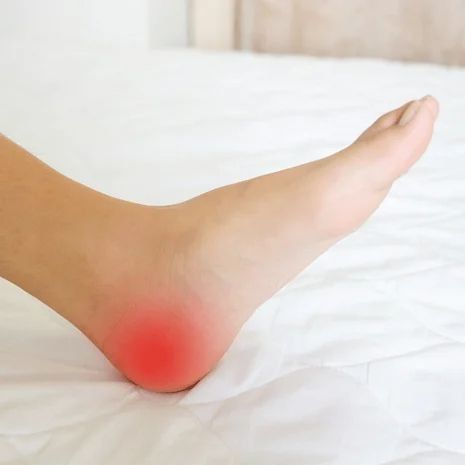
Plantar fasciitis is the most common cause of heel pain in adults, producing sharp morning pain and tenderness on the inside of the heel. It develops when the fascia becomes overloaded and degenerates.
At Foot and Ankle Rehabilitation, we address both symptoms and underlying causes using orthotics, footwear optimisation, shockwave therapy, and progressive rehabilitation to restore long-term foot health.
What is Plantar Fasciitis?
Plantar fasciitis is the most common cause of heel pain in adults. It involves irritation and microscopic degeneration of the plantar fascia, a thick band of connective tissue that runs from the heel bone (calcaneus) to the toes, supporting the arch of the foot.
The condition is often misnamed as an “-itis” (inflammation), but research shows that chronic plantar fasciitis is more accurately a degenerative fasciopathy involving collagen breakdown and reduced tissue integrity, rather than simple inflammation.
At Foot and Ankle Rehabilitation, we treat plantar fasciitis with a specialist, multi-modal approach, addressing both the fascia and the underlying biomechanical causes to provide lasting relief.
Causes & Risk Factors
Overuse / overload – prolonged standing, running, or sudden increase in activity
Foot structure – flat feet (overpronation) or high arches (poor shock absorption)
Calf tightness – reduced ankle dorsiflexion increasing tension on the fascia
Poor footwear – unsupportive, thin, or worn-out shoes
Obesity or weight gain – increased load on fascia
Occupational factors – jobs involving long periods of standing on hard floors
Age 40–60 – most common in middle-aged adults
Associated conditions – Achilles tightness, posterior tibial dysfunction, fat pad thinning
Treatment at Foot and Rehabilitation
Custom orthotics – support the arch, reduce strain on the fascia, and correct biomechanics
Footwear advice – cushioned, supportive shoes with strong midsoles and shock absorption
Shockwave therapy (ESWT) – highly effective for chronic plantar fasciitis, stimulating tissue healing
Manual therapy & mobilisation – improve ankle/foot mechanics
Exercise therapy – stretching the calf and fascia, strengthening intrinsic foot and hip stabilisers
Strapping or taping – short-term relief by reducing fascia load
Load management – modifying activity levels, graded return to sport or work
Referral – for corticosteroid or PRP injections, or surgery (rare, <5% of cases) if conservative care fails
Symptoms
Sharp heel pain with first steps in the morning or after rest, often called “first-step pain”
Pain improving after initial activity but worsening again with prolonged standing or walking
Tenderness on the inner underside of the heel
Stiffness in the arch or heel after inactivity
Pain aggravated by running, jumping, or barefoot walking on hard surfaces
Diagnosis
At Foot and Ankle Rehabilitation, diagnosis includes:
Clinical history – morning pain pattern, activity triggers, footwear use
Physical exam – palpation of the plantar fascia origin, functional loading tests
Biomechanical analysis – gait, calf length, arch mechanics, pronation/supination control
Imaging (if needed):
Ultrasound – shows fascia thickening (>4 mm) or degeneration
MRI – in atypical or resistant cases to rule out stress fracture or nerve entrapment
Contact us to learn more about Plantar Fasciitis treatment
If you are dealing with Plantar Fasciitis, our team can help you find the most suitable Foot and Ankle Rehabilitation clinic for assessment, diagnosis, and treatment support.
Whether your symptoms are affecting walking, running, exercise, or daily comfort, we can guide you towards the right clinician and the right next step for your care.
Treatment options are available across Pinehill, Smales Farm, Remuera, Botany, Hamilton East, Hamilton Central and Bethlehem

Podiatrist pricing and availability
Pricing for Plantar Fasciitis assessment and treatment can vary depending on your consultation, the severity of your symptoms, the treatment approach recommended, and whether ongoing podiatry or rehabilitation care is required.
Your Foot and Ankle Rehabilitation clinician will assess your tendon, identify the contributing factors to your pain, and explain the most appropriate treatment plan based on your symptoms, activity level, and recovery goals.
To learn more about our podiatrists and current pricing, use the links below:
10,000+
Appointments delivered across our clinics, helping patients improve foot health, mobility, and long-term outcomes.
7 Clinics
Conveniently located across Auckland, Hamilton, and Tauranga, making it easy to access a podiatrist near you.
30+ Treatments
Comprehensive podiatry services including fungal nail care, ingrown toenail treatment, rehabilitation, and general foot care.
Plantar Fasciitis – FAQs
What is plantar fasciitis?
It is degeneration and irritation of the plantar fascia, the thick band of tissue supporting the arch, causing heel pain.
What causes plantar fasciitis?
Overload from flat feet, high arches, poor footwear, calf tightness, obesity, or repetitive activity are common causes.
What does plantar fasciitis feel like?
Sharp heel pain is most noticeable with first steps in the morning or after rest. Pain often eases with activity, then worsens with prolonged standing or walking.
How is plantar fasciitis diagnosed?
Diagnosis is based on history and clinical exam. Imaging such as ultrasound confirms fascia thickening or degeneration.
Can plantar fasciitis go away on its own?
Mild cases may resolve, but many persist for months or longer if biomechanics and load are not corrected. Early treatment leads to quicker recovery.
Do orthotics help plantar fasciitis?
Yes. Orthotics support the arch and heel, redistribute pressure, and reduce strain on the plantar fascia. They are a mainstay of treatment.
What shoes are best for plantar fasciitis?
Supportive shoes with cushioning, firm midsoles, and good arch support are recommended. Avoid flat, worn, or hard-soled shoes.
Is shockwave therapy effective for plantar fasciitis?
Yes. Extracorporeal shockwave therapy (ESWT) is supported by strong evidence for chronic plantar fasciitis, especially when standard treatments haven’t resolved symptoms.
Can stretching help plantar fasciitis?
Yes. Calf stretches and plantar fascia stretches reduce tension and improve outcomes. Strengthening intrinsic foot and hip muscles also helps prevent recurrence.
When should I see a podiatrist?
If heel pain persists for more than 2 weeks, or is affecting daily activity, a podiatry assessment is recommended. Early intervention prevents chronic symptoms.

Why Choose Foot and Ankle Rehabilitation?
Foot and Ankle Rehabilitation provides specialist-level plantar fasciitis care, combining orthotics, shockwave therapy, footwear optimisation, and exercise rehabilitation. We target both the fascia and the underlying biomechanical drivers for lasting relief.