Patellofemoral Pain Treatment at Foot and Ankle Rehabilitation
Patellofemoral Pain Syndrome (Runner’s Knee) causes pain around or behind the kneecap when tracking is altered by foot and hip mechanics, training load, or footwear issues.
At Foot and Ankle Rehabilitation, we correct foot-driven maltracking with orthotics, footwear guidance, and gait retraining, integrated with targeted strengthening for long-term results.
What is Patellofemoral Pain Syndrome?
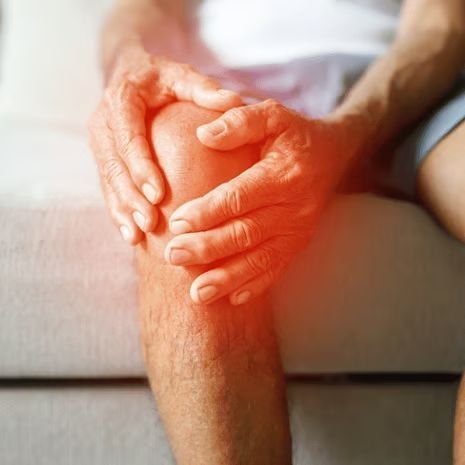
Patellofemoral Pain Syndrome (PFPS), commonly called runner’s knee, is pain felt around or behind the kneecap (patella). It occurs when the kneecap does not track smoothly within its groove on the femur, often due to abnormal lower limb mechanics.
While pain is experienced at the knee, the underlying cause is frequently found at the foot and ankle. Excessive pronation, flat feet, or poor footwear can increase inward rotation of the tibia and femur, altering patellar tracking and increasing joint stress.
At Foot and Ankle Rehabilitation, our podiatrists specialise in identifying these foot-driven causes and correcting them with targeted treatments to relieve pain and improve long-term knee health.
Causes & Risk Factors
Excessive foot pronation or flat feet – increasing tibial and femoral rotation, altering patella alignment
High arches – leading to poor shock absorption and increased force through the knee
Inappropriate footwear – worn-out shoes or unsupportive trainers
Muscle weakness/imbalance – particularly quadriceps, gluteals, and hip stabilisers
Overuse & training load – running, cycling, stair climbing, jumping sports
Sudden load changes – rapid increase in training volume or intensity
Previous injury – ankle sprains or hip weakness affecting gait mechanics
Treatment at Foot and Rehabilitation
Foot & Lower Limb Alignment
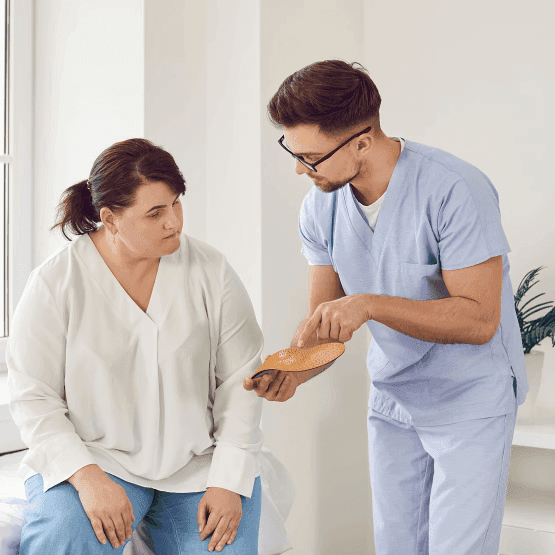
Custom orthotics – to control excessive pronation, optimise tibial rotation, and improve knee alignment
Footwear advice – recommending supportive shoes for running, sport, and daily wear
Load Management
Activity modification to reduce painful loads while maintaining fitness
Gradual, structured return to running or sport
Strengthening & Rehabilitation
Referral to physiotherapy for quadriceps, gluteal, and hip strengthening
Foot and ankle stability programs to reduce stress further up the chain
Gait Retraining
Running technique modification – improving cadence, reducing overstride, and correcting hip-knee-foot mechanics
Pain Relief & Adjunct Therapies
Shockwave therapy for chronic cases resistant to standard care
Taping techniques to temporarily realign the patella and reduce pain
Symptoms
Pain around or behind the kneecap, often dull and aching
Symptoms aggravated by running, stairs, squatting, or prolonged sitting (“theatre sign”)
Grinding, popping, or clicking under the kneecap (crepitus)
Occasional swelling or feeling of instability
Pain worse after long periods of activity on hard surfaces
Diagnosis
At Foot and Ankle Rehabilitation, diagnosis includes:
Comprehensive biomechanical assessment – foot posture, leg alignment, and gait analysis
Functional testing – squats, single-leg stance, hip impingement tests (FADIR)
Differential diagnosis – excluding bursitis, groin strain, or lumbar spine referral
Referral for imaging – MRI (to detect labral tears) or X-ray (to confirm cam/pincer morphology)
Contact us to learn more about Patellofemoral Pain Syndrome treatment
If you are dealing with Patellofemoral Pain Syndrome, our team can help you find the most suitable Foot and Ankle Rehabilitation clinic for assessment, diagnosis, and treatment support.
Whether your symptoms are affecting walking, running, exercise, or daily comfort, we can guide you towards the right clinician and the right next step for your care.
Treatment options are available across Pinehill, Smales Farm, Remuera, Botany, Hamilton East, Hamilton Central and Bethlehem
Podiatrist pricing and availability
Pricing for Patellofemoral Pain Syndrome assessment and treatment can vary depending on your consultation, the severity of your symptoms, the treatment approach recommended, and whether ongoing podiatry or rehabilitation care is required.
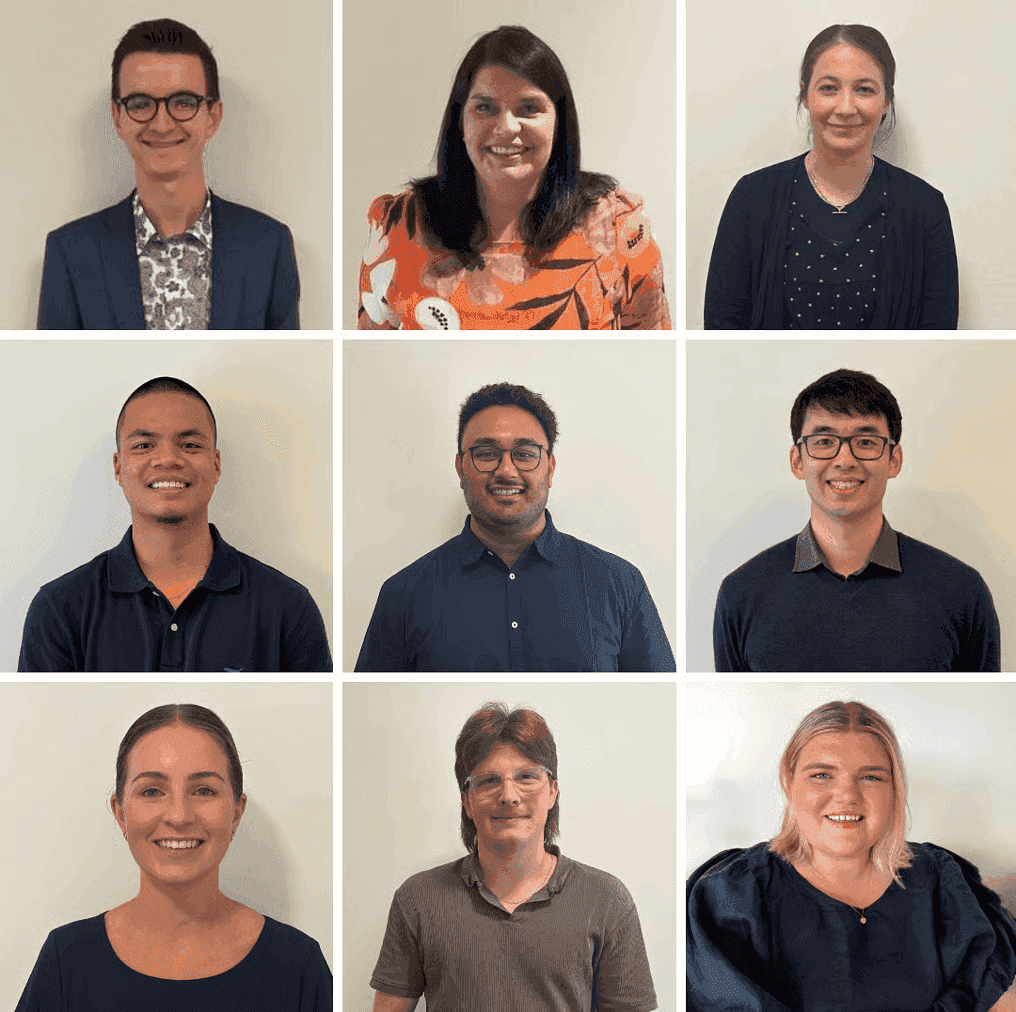
Your Foot and Ankle Rehabilitation clinician will assess your tendon, identify the contributing factors to your pain, and explain the most appropriate treatment plan based on your symptoms, activity level, and recovery goals.
To learn more about our podiatrists and current pricing, use the links below:
10,000+
Appointments delivered across our clinics, helping patients improve foot health, mobility, and long-term outcomes.
7 Clinics
Conveniently located across Auckland, Hamilton, and Tauranga, making it easy to access a podiatrist near you.
30+ Treatments
Comprehensive podiatry services including fungal nail care, ingrown toenail treatment, rehabilitation, and general foot care.
Patellofemoral Pain Syndrome (Runner’s Knee) – FAQs
Can foot problems cause runner’s knee?
Yes. Excessive pronation and poor foot alignment can drive abnormal knee mechanics, making foot correction essential.
How do orthotics help patellofemoral pain?
Orthotics improve foot and tibial alignment, reducing inward knee rotation and patella stress, relieving pain and preventing recurrence.
Do I need new shoes for runner’s knee?
Often yes. Worn or unsupportive shoes can worsen mechanics. Our podiatrists provide evidence-based footwear advice tailored to your gait.
Can podiatrists treat knee pain?
Yes. Many knee problems are foot-driven, and podiatrists specialise in correcting underlying biomechanics that physiotherapy alone may not resolve.
What exercises help runner’s knee?
Hip and quadriceps strengthening are key, but must be combined with foot correction and gait retraining for best results.
Will runner’s knee go away on its own?
Sometimes symptoms ease with rest, but without addressing foot mechanics and loading, pain often returns when activity resumes.
Is shockwave therapy effective?
Yes. Shockwave is effective for chronic patellofemoral pain when conservative care alone isn’t enough.
When should I see a podiatrist?
If knee pain persists for more than 1–2 weeks despite rest, or worsens with activity, podiatry assessment is recommended.
Why Choose Foot and Ankle Rehabilitation?
Foot and Ankle Rehabilitation, we address the root cause of runner’s knee by focusing on foot mechanics.
Our approach combines:
Custom orthotics
Footwear optimisation
Gait retraining
Integrated rehab with physiotherapy
This ensures not only pain relief, but also long-term prevention.