Patellar Tendinopathy Treatment at Foot and Ankle Rehabilitation
Patellar tendinopathy, often called jumper’s knee, is an overuse tendon condition aggravated by landing loads, poor shock absorption, and faulty foot mechanics.
At Foot and Ankle Rehabilitation, we optimise biomechanics with orthotics and footwear, apply shockwave when appropriate, and deliver staged loading and rehab to restore tendon capacity.
What is Patellar Tendinopathy?
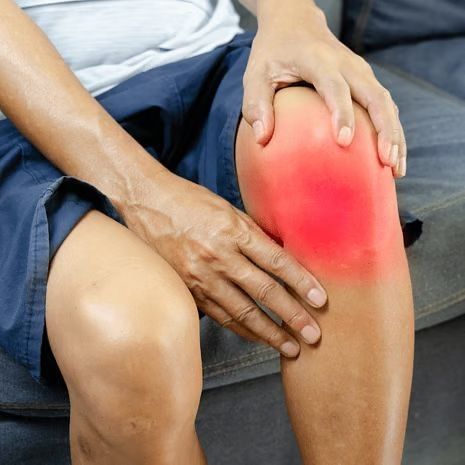
Patellar tendinopathy, also known as jumper’s knee, is an overuse injury affecting the tendon that connects the kneecap (patella) to the shin bone (tibia). It develops when repetitive loading causes microtears and degeneration of the tendon, leading to pain, stiffness, and reduced sporting performance.
Although pain is felt just below the kneecap, one of the biggest contributing factors is often abnormal foot mechanics. Excessive pronation, poor shock absorption, or inappropriate footwear can all increase strain on the patellar tendon.
At Foot and Ankle Rehabilitation, we focus on foot-driven solutions – optimising biomechanics, prescribing custom orthotics, and ensuring supportive footwear – as part of a comprehensive rehabilitation program.
Causes & Risk Factors
Repetitive jumping & landing – basketball, volleyball, netball, football
Running sports – sprinting, distance running, athletics
Excessive pronation – increases internal tibial rotation, altering tendon loading
High arches (cavus foot) – poor shock absorption, greater stress on knees
Hard training surfaces – concrete, artificial turf, indoor courts
Poor footwear – worn-out or unsupportive trainers
Muscle weakness or imbalance – quadriceps overload, weak glutes and hamstrings
Sudden load changes – rapid increase in training intensity or frequency
Treatment at Foot and Rehabilitation
Load Management
Gradual reduction of aggravating activities (jumping, sprinting)
Structured return-to-play plan with progressive load increase
Foot & Lower Limb Alignment
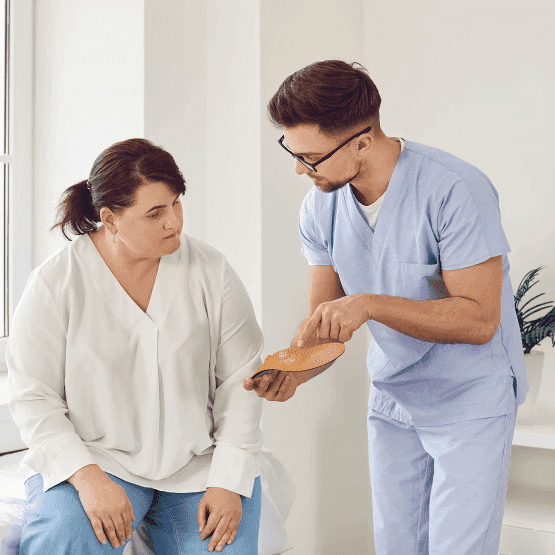
Custom orthotics – correct pronation, improve shock absorption, and reduce tendon stress
Footwear advice – recommending cushioned, supportive shoes for sport and training
Rehabilitation
Eccentric strengthening – decline squats, step-downs
Isometric loading – pain control in the early rehab phase
Hip and core strengthening – reduce overload on the knee
Flexibility work – calf, hamstrings, and quadriceps stretching
Adjunct Therapies
Shockwave therapy – effective for chronic tendon pain, stimulating healing
Manual therapy – soft tissue release and mobility work
Taping or strapping – temporary relief during sport
Symptoms
Pain below the kneecap at the tendon attachment
Pain aggravated by jumping, running, squatting, or climbing stairs
Stiffness and aching after activity, sometimes first thing in the morning
Tenderness when pressing on the tendon
Performance decline in sport due to pain and weakness
Diagnosis
At Foot and Ankle Rehabilitation, diagnosis includes:
Clinical assessment – palpation of the tendon, functional testing (squats, hops)
Gait and biomechanical analysis – identifying foot and lower limb factors contributing to overload
Ultrasound referral – to confirm tendon thickening or degeneration
MRI (if required) – for persistent or complex cases
Contact us to learn more about Patellar tendinopathy treatment
If you are dealing with Patellar tendinopathy, our team can help you find the most suitable Foot and Ankle Rehabilitation clinic for assessment, diagnosis, and treatment support.
Whether your symptoms are affecting walking, running, exercise, or daily comfort, we can guide you towards the right clinician and the right next step for your care.
Treatment options are available across Pinehill, Smales Farm, Remuera, Botany, Hamilton East, Hamilton Central and Bethlehem

Podiatrist pricing and availability
Pricing for Patellar tendinopathy assessment and treatment can vary depending on your consultation, the severity of your symptoms, the treatment approach recommended, and whether ongoing podiatry or rehabilitation care is required.
Your Foot and Ankle Rehabilitation clinician will assess your tendon, identify the contributing factors to your pain, and explain the most appropriate treatment plan based on your symptoms, activity level, and recovery goals.
To learn more about our podiatrists and current pricing, use the links below:
10,000+
Appointments delivered across our clinics, helping patients improve foot health, mobility, and long-term outcomes.
7 Clinics
Conveniently located across Auckland, Hamilton, and Tauranga, making it easy to access a podiatrist near you.
30+ Treatments
Comprehensive podiatry services including fungal nail care, ingrown toenail treatment, rehabilitation, and general foot care.
Patellar Tendinopathy (Jumper’s Knee) – FAQs
What causes jumper’s knee?
It is caused by repetitive loading of the patellar tendon, often in jumping sports, but foot mechanics and poor footwear also play a role.
Can foot problems cause patellar tendinopathy?
Yes. Excessive pronation or poor shock absorption increases rotational stress on the knee and tendon, making foot correction vital.
How do orthotics help jumper’s knee?
Orthotics improve alignment, reducing patellar tendon stress by controlling foot and tibial motion.
Can shockwave therapy help?
Yes. Shockwave therapy is an evidence-based treatment for chronic patellar tendinopathy, helping stimulate tendon healing.
Will jumper’s knee heal on its own?
Not usually. Symptoms may settle temporarily, but without addressing the underlying load and foot mechanics, it often recurs.
How long does it take to recover?
With structured care, most people improve in 6–12 weeks, though chronic cases may take longer.
Can I keep playing sport with jumper’s knee?
Sometimes. Load modification is key. Playing through pain without treatment risks chronic tendon degeneration.
Is surgery needed for patellar tendinopathy?
Rarely. Surgery is only considered for severe, non-responsive cases after months of structured conservative care.
When should I see a podiatrist?
If pain persists more than 2 weeks, interferes with sport, or worsens with activity, podiatry assessment is essential.
Why Choose Foot and Ankle Rehabilitation?
Foot and Ankle Rehabilitation, we focus on foot-driven solutions to jumper’s knee.
Our podiatrists combine:
Custom orthotics
Footwear optimisation
Shockwave therapy
Rehabilitation integration with physiotherapy
This ensures not only pain relief but also long-term tendon health and performance optimisation.