Nerve Entrapment Syndromes Treatment at Foot and Ankle Rehabilitation
Nerve entrapments—peroneal, deep or superficial peroneal, tarsal tunnel—cause burning, tingling, numbness, or weakness that can mimic muscle or tendon pain.
At Foot and Ankle Rehabilitation, we differentiate nerve from musculoskeletal or vascular causes, adjust footwear/lacing, prescribe orthotics, guide neural mobility, and refer when needed.
What are Nerve Entrapment Syndromes?
Nerve entrapment syndromes occur when a peripheral nerve in the leg is compressed, stretched, or irritated. This can lead to pain, tingling, numbness, weakness, or burning sensations.
The most common nerve entrapments affecting the lower leg include:
Common Peroneal Nerve Entrapment: compression around the fibular head, causing weakness of foot dorsiflexion (“foot drop”) and numbness along the shin/top of the foot.
Deep Peroneal Nerve Entrapment: often seen in the anterior ankle (“anterior tarsal tunnel”), causing burning pain on the top of the foot or between the first and second toes.
Superficial Peroneal Nerve Entrapment: compression of the nerve as it exits the fascia, leading to lateral leg and dorsum foot pain.
Sciatic Nerve–Related Symptoms: referred pain or entrapment higher up in the buttock/hamstring region causing leg symptoms.
Tarsal Tunnel Syndrome (ankle/foot): compression of the tibial nerve at the ankle, causing burning and tingling in the arch/sole of the foot.
At Foot and Ankle Rehabilitation, we specialise in identifying whether symptoms are due to nerve entrapment, musculoskeletal causes, or vascular conditions, ensuring accurate treatment and referral when necessary.
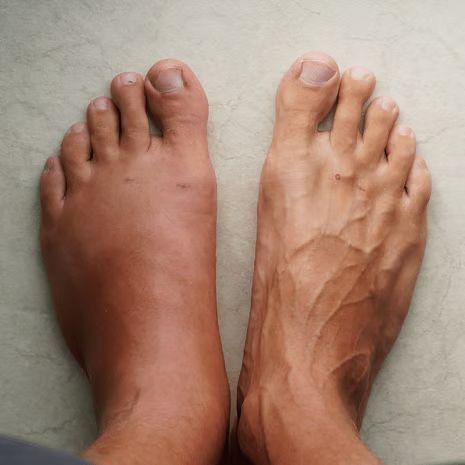
Causes & Risk Factors
Peripheral arterial disease (PAD):
Atherosclerosis (cholesterol plaques) narrowing leg arteries
Smoking, diabetes, hypertension, high cholesterol
Venous disease:
Valve dysfunction in leg veins causing varicose veins or swelling
Prolonged standing, sedentary lifestyle, obesity
Family history of venous insufficiency
Diabetes: increased risk of poor circulation and ulceration
Blood clotting disorders: increasing risk of DVT
Ageing: progressive decline in circulation
Previous injury or surgery: damage to vascular structures
Treatment at Foot and Rehabilitation
Footwear & lacing adjustments – avoiding direct pressure points
Custom orthotics – offloading biomechanical contributors (e.g., excessive pronation, cavus foot)
Physiotherapy & rehab – neural mobility (“nerve gliding”), strengthening weak muscles, reducing tension
Manual therapy – soft tissue release, fascial decompression
Activity modification – reducing aggravating movements, graded return to sport/work
Shockwave therapy – sometimes helpful in chronic fascial compressions
Referral pathways – neurology or orthopaedic review for severe or progressive entrapment (surgical decompression if required)
Symptoms
Pain, burning, tingling, or numbness in specific nerve distribution
Weakness or foot drop in peroneal nerve involvement
Shooting or electric pain with activity or at rest
Symptoms worsened by activity or specific positions (e.g., squatting, tight laces)
Sensory loss on the top, side, or sole of the foot depending on the nerve involved
Muscle wasting in chronic cases
Diagnosis
At Foot and Ankle Rehabilitation, diagnosis includes:
Clinical examination – neurological testing (sensation, reflexes, strength)
Tinel’s test – tapping over nerve to reproduce symptoms
Biomechanical assessment – gait and footwear contribution
Differentiation from vascular or musculoskeletal pain – ruling out PAD or tendinopathy
Referral for investigations:
Nerve conduction studies/EMG for localisation and severity
MRI/Ultrasound for masses, scar tissue, or fascial entrapment
Contact us to learn more about Nerve Entrapment Syndromes treatment
If you are dealing with Nerve Entrapment Syndromes, our team can help you find the most suitable Foot and Ankle Rehabilitation clinic for assessment, diagnosis, and treatment support.
Whether your symptoms are affecting walking, running, exercise, or daily comfort, we can guide you towards the right clinician and the right next step for your care.
Treatment options are available across Pinehill, Smales Farm, Remuera, Botany, Hamilton East, Hamilton Central and Bethlehem

Podiatrist pricing and availability
Pricing for Nerve Entrapment Syndromes assessment and treatment can vary depending on your consultation, the severity of your symptoms, the treatment approach recommended, and whether ongoing podiatry or rehabilitation care is required.
Your Foot and Ankle Rehabilitation clinician will assess your tendon, identify the contributing factors to your pain, and explain the most appropriate treatment plan based on your symptoms, activity level, and recovery goals.
To learn more about our podiatrists and current pricing, use the links below:
10,000+
Appointments delivered across our clinics, helping patients improve foot health, mobility, and long-term outcomes.
7 Clinics
Conveniently located across Auckland, Hamilton, and Tauranga, making it easy to access a podiatrist near you.
30+ Treatments
Comprehensive podiatry services including fungal nail care, ingrown toenail treatment, rehabilitation, and general foot care.
Nerve Entrapment Syndromes – FAQs
What are the signs of a nerve entrapment in the leg?
Common signs include burning, tingling, numbness, weakness, or sharp shooting pain along the shin, ankle, or foot.
What’s the difference between nerve pain and muscle pain?
Nerve pain often feels like burning, tingling, or electric shocks, while muscle pain is usually dull, aching, and activity-related.
Can podiatrists diagnose nerve entrapments?
Yes. Podiatrists assess nerve function, biomechanics, footwear, and activity factors, and arrange further testing or referral if required.
Can orthotics help with nerve entrapment?
Yes. Orthotics can reduce biomechanical pressure on nerves, particularly in pronation or cavus-related entrapments.
Can nerve entrapment cause foot drop?
Yes. Common peroneal nerve entrapment can cause weakness in foot dorsiflexion, leading to foot drop.
How is nerve entrapment treated?
Treatment includes biomechanical correction, footwear changes, physiotherapy, and neural mobility exercises. Severe cases may need surgical decompression.
Can nerve entrapment mimic shin splints or calf strain?
Yes. Nerve pain can be misdiagnosed as muscle/tendon injury, which is why accurate assessment is essential.
Do nerve entrapments heal on their own?
Mild cases may improve with rest and footwear changes, but persistent or progressive cases require podiatry or medical treatment.
When should I see a podiatrist?
If you have persistent burning, tingling, weakness, or numbness in your leg or foot, podiatry assessment is recommended.

Why Choose Foot and Ankle Rehabilitation?
Foot and Ankle Rehabilitation provides specialist assessment and management of nerve entrapments in the leg, combining podiatry, physiotherapy, orthotic intervention, and collaboration with neurology or orthopaedics when needed. Our goal is to restore comfort, strength, and full function.