Midfoot Overuse Treatment at Foot and Ankle Rehabilitation
Midfoot overuse syndromes occur when repetitive loading irritates bones, joints, and tendons in the arch, causing gradual pain and swelling. These are common in runners, athletes, and people who spend long hours on hard surfaces.
At Foot and Ankle Rehabilitation, we address overuse pain with custom orthotics, footwear optimisation, shockwave therapy, and exercise rehabilitation. Our treatments target both pain relief and the biomechanical causes to prevent recurrence.
What are Midfoot Overuse Syndromes?
Midfoot overuse syndromes refer to painful conditions in the midfoot caused by repetitive loading and microtrauma, rather than a single traumatic injury. The midfoot is a key structure for stability and load transfer, and overuse can lead to irritation of bones, joints, ligaments, and tendons.
These conditions are particularly common in runners, athletes, and workers who stand or walk on hard surfaces for long periods. Without appropriate care, overuse syndromes can progress to stress fractures, arthritis, or chronic tendon dysfunction.
At Foot and Ankle Rehabilitation, we specialise in diagnosing and managing midfoot overuse pain, targeting the underlying biomechanical causes and supporting safe return to activity.
Causes & Risk Factors
Repetitive impact loading – running, jumping, long-distance walking
Foot structure – flat feet (excessive pronation) or high arches (reduced shock absorption)
Training errors – sudden increase in training volume, intensity, or surface change
Occupational load – prolonged standing or walking on hard floors
Poor footwear – unsupportive shoes, worn-out trainers, or minimal cushioning
Muscle imbalance or weakness – poor intrinsic foot or calf function increasing midfoot load
Age & systemic conditions – reduced bone density, early arthritis, or metabolic factors
Treatment at Foot and Rehabilitation
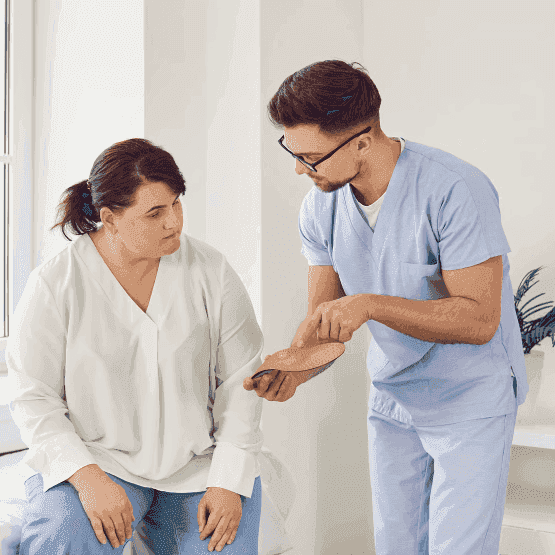
Custom orthotics – support the arch, stabilise the midfoot, and reduce abnormal load
Footwear advice – cushioned shoes with firm midsoles and arch support, avoiding worn or minimal shoes
Load management – temporary activity reduction, cross-training, pacing strategies
Exercise therapy – intrinsic foot strengthening, calf flexibility, proprioception training
Manual therapy & mobilisation – restore joint mechanics and reduce stiffness
Shockwave therapy – for chronic tendon overload or recalcitrant midfoot pain
Education – training load management, surface modification, footwear rotation
Referral – if stress fracture suspected or persistent symptoms despite conservative care
Symptoms
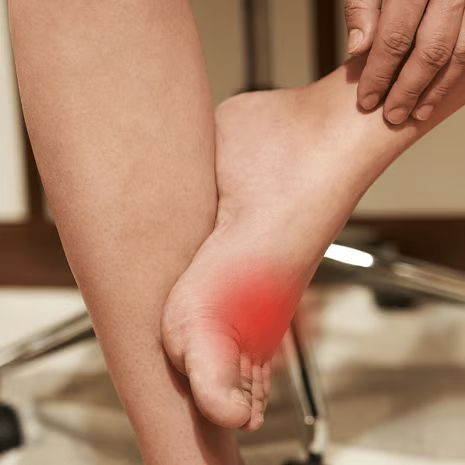
Gradual onset of aching or throbbing pain in the midfoot
Pain that worsens with activity (running, walking, prolonged standing) and improves with rest
Localised tenderness over the midfoot bones or tendons
Swelling across the midfoot region
Difficulty pushing off during gait or reduced stability in midfoot
In stress fractures: sharper pain that worsens with continued activity
Diagnosis
At Foot and Ankle Rehabilitation, diagnosis includes:
History & clinical assessment – activity levels, onset, footwear, training changes
Palpation – pinpoint tenderness over bones, joints, or tendons
Biomechanical analysis – gait, calf function, pronation/supination, arch mechanics
Imaging:
X-ray – may show advanced stress fracture or arthritis
MRI – gold standard for stress reactions, early bone stress, and tendon involvement
Ultrasound – useful for tendon inflammation
Contact us to learn more about Midfoot overuse syndromes treatment
If you are dealing with Midfoot overuse syndromes, our team can help you find the most suitable Foot and Ankle Rehabilitation clinic for assessment, diagnosis, and treatment support.
Whether your symptoms are affecting walking, running, exercise, or daily comfort, we can guide you towards the right clinician and the right next step for your care.
Treatment options are available across Pinehill, Smales Farm, Remuera, Botany, Hamilton East, Hamilton Central and Bethlehem
Podiatrist pricing and availability
Pricing for Midfoot overuse syndromes assessment and treatment can vary depending on your consultation, the severity of your symptoms, the treatment approach recommended, and whether ongoing podiatry or rehabilitation care is required.
Your Foot and Ankle Rehabilitation clinician will assess your tendon, identify the contributing factors to your pain, and explain the most appropriate treatment plan based on your symptoms, activity level, and recovery goals.
To learn more about our podiatrists and current pricing, use the links below:
10,000+
Appointments delivered across our clinics, helping patients improve foot health, mobility, and long-term outcomes.
7 Clinics
Conveniently located across Auckland, Hamilton, and Tauranga, making it easy to access a podiatrist near you.
30+ Treatments
Comprehensive podiatry services including fungal nail care, ingrown toenail treatment, rehabilitation, and general foot care.
Midfoot Overuse Syndromes
– FAQs
What are midfoot overuse syndromes?
They are conditions caused by repetitive stress and microtrauma to the bones, joints, and tendons of the midfoot, leading to chronic pain and dysfunction.
What are the common types?
Stress reactions/fractures, tendon overload (posterior tibial, peroneals, FHL), TMT joint irritation, and early arthritis.
What causes midfoot overuse injuries?
Training overload, poor biomechanics (flat feet or high arches), poor footwear, and repetitive activity are common causes.
What does midfoot overuse pain feel like?
Aching or throbbing pain in the middle of the foot that worsens with activity and improves with rest. Swelling and tenderness may be present.
How are midfoot overuse syndromes diagnosed?
Diagnosis involves clinical exam, gait analysis, and imaging such as MRI to confirm bone stress or tendon involvement.
Can orthotics help?
Yes. Custom orthotics support the midfoot, reduce abnormal stress, and improve long-term biomechanics.
What are the best shoes for midfoot pain?
Supportive, cushioned shoes with firm midsoles and arch support. Avoid worn-out, flat, or thin-soled footwear.
How long does recovery take?
Mild cases improve in weeks with rest and orthotics, while stress fractures may require 6–12 weeks of load modification.
Is shockwave therapy useful?
Yes. Shockwave therapy can help chronic tendon overload and persistent pain, though it is not used for acute bone stress.
When should I see a podiatrist?
If you have persistent midfoot pain lasting more than 2 weeks, swelling, or pain worsening with activity, podiatry assessment is recommended.
Why Choose Foot and Ankle Rehabilitation?
Foot and Ankle Rehabilitation provides specialist diagnosis and treatment of midfoot overuse conditions, combining orthotic therapy, footwear optimisation, exercise rehab, and advanced therapies. We target both the symptoms and underlying biomechanical causes to prevent recurrence.