Midfoot Arthritis Treatment at Foot and Ankle Rehabilitation
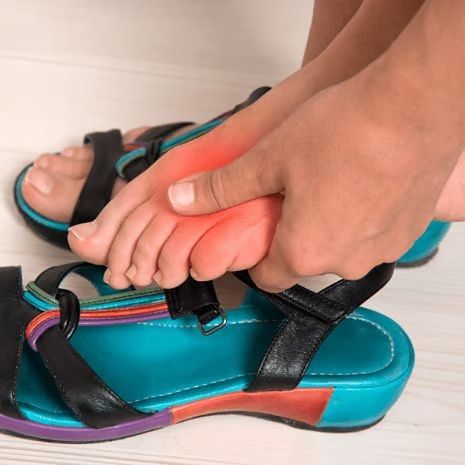
Midfoot arthritis occurs when the tarsometatarsal joints degenerate, leading to pain, stiffness, and swelling across the arch. Patients often struggle with walking, standing, or wearing regular shoes due to discomfort and joint enlargement.
At Foot and Ankle Rehabilitation, we provide tailored care with orthotics, footwear advice, exercise therapy, and manual techniques. Where needed, we coordinate imaging, injections, or surgical referral to preserve mobility and long-term function.
What is Midfoot Arthritis?
Midfoot arthritis is the degeneration or inflammation of the tarsometatarsal (TMT) joints, which connect the forefoot (metatarsals) to the midfoot bones (cuneiforms and cuboid). These joints are critical for stability and load transfer through the arch of the foot.
When arthritis affects the midfoot, patients experience pain, stiffness, swelling, and difficulty with walking or standing for long periods. Shoes may feel uncomfortable due to swelling or bony changes, and in advanced cases, deformity can occur.
At Foot and Ankle Rehabilitation, we provide specialist diagnosis and management of midfoot arthritis, focusing on pain reduction, mobility preservation, and long-term function.
Causes & Risk Factors
Osteoarthritis – age-related cartilage degeneration leading to joint space narrowing and osteophyte formation
Post-traumatic arthritis – previous fractures, Lisfranc injuries, or repeated sprains leading to early joint degeneration
Inflammatory arthritis – rheumatoid arthritis, psoriatic arthritis, or gout affecting midfoot joints
Overuse or biomechanical stress – long periods of standing, heavy lifting, or repetitive impact activity
Foot structure – flat feet (excessive pronation) or high arches (poor shock absorption) increasing joint load
Obesity – added stress on the midfoot joints
Genetic predisposition – family history of arthritis
Treatment at Foot and Rehabilitation
Custom orthotics – stiff-soled orthotics with midfoot support reduce joint load and pain
Footwear advice – cushioned trainers, stiff midsoles, rocker soles to limit painful motion
Padding or insoles – relieve pressure points and improve comfort
Exercise therapy – strengthening intrinsic foot muscles, calf mobility, and functional stability
Manual therapy & mobilisation – maintain range of motion where possible
Shockwave therapy (ESWT) – useful for associated tendon pain or chronic overload
Activity modification – pacing, rest breaks, reduced high-impact activities
Referral – for medical or surgical management if conservative care fails (options include corticosteroid injections, fusion surgery of affected joints)
Symptoms
Pain and aching in the middle of the foot, often across the top or arch
Stiffness, especially in the morning or after rest
Swelling or bony enlargement over the midfoot joints
Difficulty wearing shoes due to swelling or deformity
Pain worsening with walking, standing, or activity, improving with rest
In severe cases: midfoot collapse or visible deformity
Diagnosis
At Foot and Ankle Rehabilitation, diagnosis includes:
History & examination – location, aggravating factors, functional limitations
Palpation of midfoot joints – tenderness and swelling across TMT joints
Gait and biomechanical analysis – assessing pronation, arch stability, and loading patterns
Imaging:
X-ray – shows joint space narrowing, osteophytes, subchondral sclerosis
MRI – for early arthritis or to assess cartilage, bone marrow oedema
Ultrasound – useful for synovitis or soft tissue inflammation
Contact us to learn more about Midfoot arthritis treatment
If you are dealing with Midfoot arthritis, our team can help you find the most suitable Foot and Ankle Rehabilitation clinic for assessment, diagnosis, and treatment support.
Whether your symptoms are affecting walking, running, exercise, or daily comfort, we can guide you towards the right clinician and the right next step for your care.
Treatment options are available across Pinehill, Smales Farm, Remuera, Botany, Hamilton East, Hamilton Central and Bethlehem

Podiatrist pricing and availability
Pricing for Nerve Midfoot arthritis assessment and treatment can vary depending on your consultation, the severity of your symptoms, the treatment approach recommended, and whether ongoing podiatry or rehabilitation care is required.
Your Foot and Ankle Rehabilitation clinician will assess your tendon, identify the contributing factors to your pain, and explain the most appropriate treatment plan based on your symptoms, activity level, and recovery goals.
To learn more about our podiatrists and current pricing, use the links below:
10,000+
Appointments delivered across our clinics, helping patients improve foot health, mobility, and long-term outcomes.
7 Clinics
Conveniently located across Auckland, Hamilton, and Tauranga, making it easy to access a podiatrist near you.
30+ Treatments
Comprehensive podiatry services including fungal nail care, ingrown toenail treatment, rehabilitation, and general foot care.
Midfoot Arthritis – FAQs
What causes midfoot arthritis?
Midfoot arthritis is most commonly caused by osteoarthritis, post-traumatic injury, or inflammatory arthritis such as rheumatoid arthritis or gout.
What does midfoot arthritis feel like?
It causes aching pain across the middle of the foot, stiffness, and swelling, often worse with walking, standing, or wearing certain shoes.
How is midfoot arthritis diagnosed?
Diagnosis involves a clinical exam and imaging. X-rays confirm arthritis, while MRI may be used to detect early changes.
Can orthotics help midfoot arthritis?
Yes. Orthotics with stiffening elements and midfoot support reduce joint stress and significantly improve walking comfort.
What shoes are best for midfoot arthritis?
Shoes with firm midsoles, cushioning, and rocker soles are best to reduce painful joint motion. Narrow or flexible shoes should be avoided.
Is midfoot arthritis the same as flat feet?
No. Flat feet can contribute to midfoot arthritis, but arthritis itself is joint degeneration. Patients with flat feet are at higher risk of midfoot pain.
Can exercise help midfoot arthritis?
Yes. Strengthening intrinsic and stabilising muscles helps protect joints. Calf and ankle flexibility also reduce strain.
Is shockwave therapy useful for midfoot arthritis?
Not directly for cartilage, but shockwave may help with secondary tendon or soft tissue pain caused by altered biomechanics.
Do I need surgery for midfoot arthritis?
Surgery is considered if conservative care fails. The most common procedure is fusion of affected joints, which relieves pain by stopping painful movement.
When should I see a podiatrist?
If you have persistent midfoot pain, swelling, or stiffness lasting more than 2 weeks, podiatry assessment is recommended for early intervention.
Why Choose Foot and Ankle Rehabilitation?
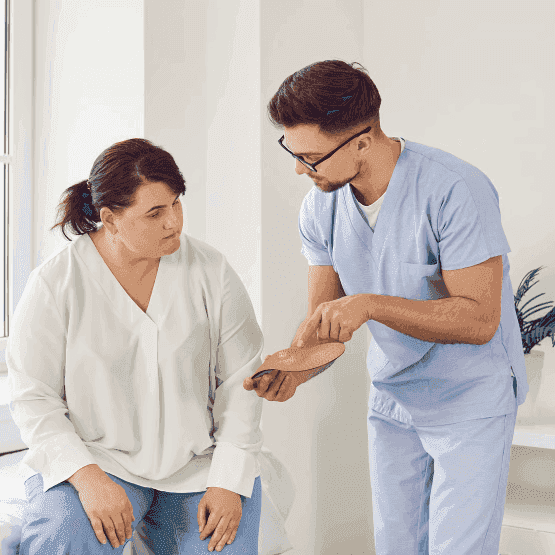
Foot and Ankle Rehabilitation provides specialist midfoot arthritis care, combining orthotic therapy, footwear optimisation, exercise programs, and manual therapy. We also coordinate imaging, injections, or surgical referral when necessary.