ITB Syndrome Treatment at Foot and Ankle Rehabilitation
Iliotibial Band Syndrome (ITB Syndrome) is a causes sharp pain on the outer knee from repetitive friction, often worsened by over-pronation, hip weakness, or training errors.
At Foot and Ankle Rehabilitation, we correct mechanics with orthotics and footwear, adjust training load, and guide gait and hip-stability rehab for durable symptom relief.
What is Iliotibial Band Syndrome?
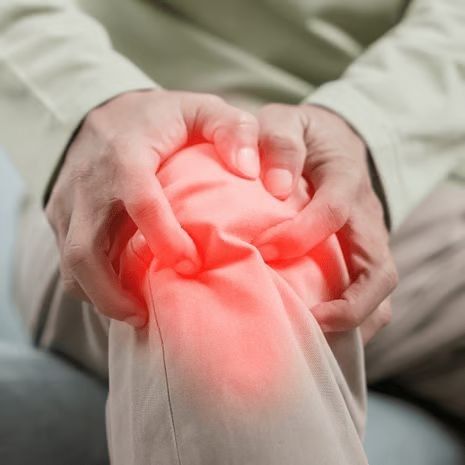
Iliotibial Band Syndrome (ITB Syndrome) is a common cause of pain on the outside of the knee, particularly in runners and cyclists. It occurs when the iliotibial band (a thick band of fascia running from the hip to the knee) repeatedly rubs against the femur during movement, leading to irritation and inflammation.
While the pain occurs at the outer knee, contributing factors are often found in the foot and lower limb mechanics. Excessive pronation, leg length differences, or poor footwear can increase rotational stress through the tibia and femur, worsening ITB friction.
At Foot and Ankle Rehabilitation, our podiatrists address these foot-driven causes, ensuring long-term relief through orthotics, footwear optimisation, and gait retraining.
Causes & Risk Factors
Excessive pronation – causing internal tibial and femoral rotation, increasing ITB tension
Leg length discrepancy – leading to uneven hip and knee loading
Weak hip stabilisers – gluteal weakness causing poor pelvic control
Overuse – repetitive running, cycling, or stair climbing
Training errors – sudden increases in distance, speed, or hill running
Surface issues – running on cambered roads or uneven terrain
Poor footwear – unsupportive or worn-out shoes increasing foot instability
Treatment at Foot and Rehabilitation
Foot & Biomechanical Correction
Custom orthotics – to correct pronation, improve tibial alignment, and reduce rotational stress on the ITB
Footwear advice – ensuring stability and cushioning appropriate to your mechanics
Load Management
Reducing aggravating activity volume (running, cycling)
Gradual reintroduction with modified surfaces and distances
Rehabilitation
Referral for physiotherapy to strengthen hip stabilisers (gluteus medius and maximus)
ITB stretching and foam rolling as part of a controlled rehab plan
Functional strengthening for running and sport
Gait Retraining
Cadence adjustments to reduce overstride and rotational loading
Modifying foot strike and hip-knee alignment during running
Adjunct Therapies
Shockwave therapy – for chronic ITB syndrome resistant to standard care
Manual therapy for soft tissue tightness
Taping or bracing for short-term relief
Symptoms
Sharp, burning pain on the outer side of the knee
Pain that worsens with running, cycling, or descending stairs
Pain appearing at a predictable distance or time into exercise
Local tenderness over the lateral femoral epicondyle (outside knee bone)
Sometimes snapping or popping sensation at the knee
Relief with rest, but pain quickly returns with activity
Diagnosis
At Foot and Ankle Rehabilitation, diagnosis includes:
Biomechanical assessment – analysing foot posture, pronation, and gait
Video gait analysis – assessing running technique and lower limb alignment
Functional testing – squats, single-leg stance, and step-downs to reproduce symptoms
Differential diagnosis – excluding lateral meniscus injury, LCL strain, or referred hip pain
Contact us to learn more about Iliotibial Band Syndrome (ITB Syndrome) treatment
If you are dealing with Iliotibial Band Syndrome (ITB Syndrome), our team can help you find the most suitable Foot and Ankle Rehabilitation clinic for assessment, diagnosis, and treatment support.
Whether your symptoms are affecting walking, running, exercise, or daily comfort, we can guide you towards the right clinician and the right next step for your care.
Treatment options are available across Pinehill, Smales Farm, Remuera, Botany, Hamilton East, Hamilton Central and Bethlehem

Podiatrist pricing and availability
Pricing for Iliotibial Band Syndrome (ITB Syndrome) assessment and treatment can vary depending on your consultation, the severity of your symptoms, the treatment approach recommended, and whether ongoing podiatry or rehabilitation care is required.
Your Foot and Ankle Rehabilitation clinician will assess your tendon, identify the contributing factors to your pain, and explain the most appropriate treatment plan based on your symptoms, activity level, and recovery goals.
To learn more about our podiatrists and current pricing, use the links below:
10,000+
Appointments delivered across our clinics, helping patients improve foot health, mobility, and long-term outcomes.
7 Clinics
Conveniently located across Auckland, Hamilton, and Tauranga, making it easy to access a podiatrist near you.
30+ Treatments
Comprehensive podiatry services including fungal nail care, ingrown toenail treatment, rehabilitation, and general foot care.
Iliotibial Band Syndrome
– FAQs
What causes ITB syndrome?
It is caused by repetitive friction of the ITB against the femur, often due to poor foot mechanics, hip weakness, or overuse.
Can foot problems contribute to ITB syndrome?
Yes. Excessive pronation or poor foot alignment increases rotational stress, worsening ITB tension and knee pain.
How do orthotics help ITB pain?
Orthotics correct pronation and optimise knee alignment, reducing tension on the ITB during running and walking.
Is ITB syndrome the same as runner’s knee?
No. Runner’s knee (patellofemoral pain) affects the front of the knee, while ITB syndrome causes pain on the outside of the knee.
Can I keep running with ITB syndrome?
Not advised. Continuing to run without treatment risks chronic pain and compensatory injuries. Load modification is key.
How long does ITB syndrome take to heal?
With proper treatment, most patients improve within 4–8 weeks, though chronic cases may take longer.
Does foam rolling fix ITB syndrome?
Foam rolling may reduce tightness, but without addressing foot biomechanics and hip weakness, symptoms often return.
Can shockwave therapy help?
Yes. Shockwave therapy is effective in stimulating healing and reducing chronic ITB pain.
Do podiatrists treat ITB syndrome?
Yes. Podiatrists treat ITB syndrome by addressing the foot and lower limb mechanics that drive the condition.
When should I see a podiatrist?
If outer knee pain persists beyond a week, worsens with activity, or recurs despite rest, podiatry assessment is recommended.

Why Choose Foot and Ankle Rehabilitation?
Foot and Ankle Rehabilitation, we specialise in treating ITB syndrome from the ground up. By correcting foot mechanics, optimising footwear, and working with physiotherapy on hip/knee rehab, we provide a comprehensive solution to both pain relief and prevention.