Fat Pad Syndrome
Treatment at Foot and Ankle Rehabilitation
Fat pad syndrome occurs when the heel’s natural cushioning thins or becomes damaged, leading to deep central heel pain that worsens on hard surfaces.
At Foot and Ankle Rehabilitation, we provide custom orthotics, cushioning strategies, footwear advice, and rehabilitation programs to protect the fat pad and restore comfort.
What is Fat Pad Syndrome?
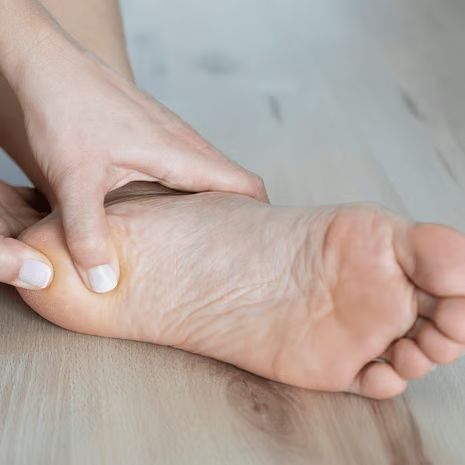
The heel fat pad is a specialised, fibrous-cushion structure located under the calcaneus (heel bone). It acts as a shock absorber, distributing load and protecting the heel during walking, running, and standing.
Fat Pad Syndrome occurs when this protective layer becomes thinned, displaced, or damaged, leading to reduced cushioning and deep, central heel pain, especially on hard surfaces. Unlike plantar fasciitis (which causes pain on the inside of the heel and is worse in the morning), fat pad syndrome causes central heel pain that worsens with prolonged standing or impact.
At Foot and Ankle Rehabilitation, we provide specialist diagnosis and management to protect the fat pad, restore comfort, and prevent long-term complications.
Causes & Risk Factors
Age-related thinning – natural loss of heel cushioning with age
Repetitive impact loading – running, jumping, or prolonged standing
Trauma – direct injury to the heel, bruising, or repeated microtrauma
Obesity or sudden weight gain – increasing load on heel structures
Foot structure – high arches (cavus feet) with poor shock absorption
Previous heel surgery or corticosteroid injection – may accelerate fat pad thinning
Hard footwear or surfaces – thin-soled shoes, concrete floors, or barefoot
Treatment at Foot and Rehabilitation
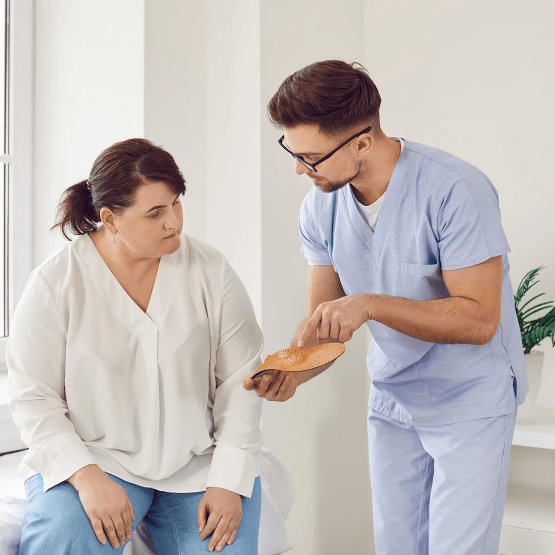
Custom orthotics – designed with heel cups, cushioning, and shock-absorbing materials to protect the fat pad
Heel cups / gel pads – reduce direct heel pressure and improve comfort in footwear
Footwear advice – cushioned trainers, shock-absorbing soles, avoiding thin-soled shoes
Load management – reducing repetitive impact (running, jumping) until symptoms improve
Activity modification – graded return to sport with protective footwear
Exercise therapy – intrinsic strengthening, calf flexibility, gait retraining for shock absorption
Education – daily self-care strategies, footwear choices, and surface modification
Referral – in severe or persistent cases for injection therapy, regenerative medicine, or surgical opinion (rare)
Symptoms
Deep, aching central heel pain (often directly under the heel bone)
Pain worsens with prolonged standing, walking, running, or impact activities
Tenderness when pressing the centre of the heel
Relief with cushioned footwear or heel padding
Pain aggravated by hard, thin-soled shoes or walking barefoot on hard floors
In contrast to plantar fasciitis: no sharp “first step” morning pain pattern
Diagnosis
At Foot and Ankle Rehabilitation, diagnosis includes:
Clinical assessment – central heel tenderness vs plantar fascia insertion pain
History – pain aggravated by hard surfaces, footwear, or prolonged standing
Biomechanical review – arch type, gait mechanics, shock absorption capacity
Imaging (if needed):
Ultrasound – can show thinning or displacement of the fat pad
MRI – in complex cases, to rule out other heel pathologies
Contact us to learn more about Fat Pad Syndrome treatment
If you are dealing with Fat Pad Syndrome, our team can help you find the most suitable Foot and Ankle Rehabilitation clinic for assessment, diagnosis, and treatment support.
Whether your symptoms are affecting walking, running, exercise, or daily comfort, we can guide you towards the right clinician and the right next step for your care.
Treatment options are available across Pinehill, Smales Farm, Remuera, Botany, Hamilton East, Hamilton Central and Bethlehem
Podiatrist pricing and availability
Pricing for Fat Pad Syndrome assessment and treatment can vary depending on your consultation, the severity of your symptoms, the treatment approach recommended, and whether ongoing podiatry or rehabilitation care is required.
Your Foot and Ankle Rehabilitation clinician will assess your tendon, identify the contributing factors to your pain, and explain the most appropriate treatment plan based on your symptoms, activity level, and recovery goals.
To learn more about our podiatrists and current pricing, use the links below:
10,000+
Appointments delivered across our clinics, helping patients improve foot health, mobility, and long-term outcomes.
7 Clinics
Conveniently located across Auckland, Hamilton, and Tauranga, making it easy to access a podiatrist near you.
30+ Treatments
Comprehensive podiatry services including fungal nail care, ingrown toenail treatment, rehabilitation, and general foot care.
Fat Pad Syndrome – FAQs
What is heel fat pad syndrome?
It is thinning, damage, or displacement of the heel’s natural cushioning layer, leading to central heel pain with impact.
How is it different from plantar fasciitis?
Plantar fasciitis causes sharp morning heel pain on the inside of the heel. Fat pad syndrome causes deep central heel pain that worsens with prolonged standing or impact and is relieved by cushioning.
What causes fat pad syndrome?
Ageing, repetitive impact (running/jumping), trauma, obesity, or wearing thin-soled shoes can damage or thin the fat pad.
How is fat pad syndrome diagnosed?
Diagnosis is based on pain location, clinical exam, and sometimes imaging. Ultrasound can show thinning of the fat pad.
Can Sever’s disease affect both heels?
No. Once thinned, the fat pad does not regenerate. However, orthotics, cushioning, and footwear changes can effectively protect the heel and reduce pain.
Do orthotics help fat pad syndrome?
Yes. Custom orthotics with deep heel cups and cushioning support the fat pad, reduce stress, and improve comfort.
What are the best shoes for fat pad syndrome?
Supportive, cushioned shoes with shock-absorbing midsoles and deep heel support are recommended. Hard, flat shoes should be avoided.
Can I keep running with fat pad syndrome?
Yes, with modification. Protective footwear, orthotics, and reduced training load can allow a gradual return to running. High-impact activities may need to be limited initially.
Is surgery required for fat pad syndrome?
Surgery is very rare. Most patients improve with cushioning, orthotics, footwear changes, and load modification.
When should I see a podiatrist?
If you have persistent heel pain that doesn’t match the typical plantar fasciitis pattern, or pain worsens with standing/walking on hard surfaces, podiatry assessment is recommended.
Why Choose Foot and Ankle Rehabilitation?
Foot and Ankle Rehabilitation provides specialist heel pain care, with expertise in differentiating fat pad syndrome from plantar fasciitis. We use custom orthotics, heel protection strategies, and advanced therapies to restore comfort and protect the heel long-term.