Compartment Syndrome Treatment at Foot and Ankle Rehabilitation
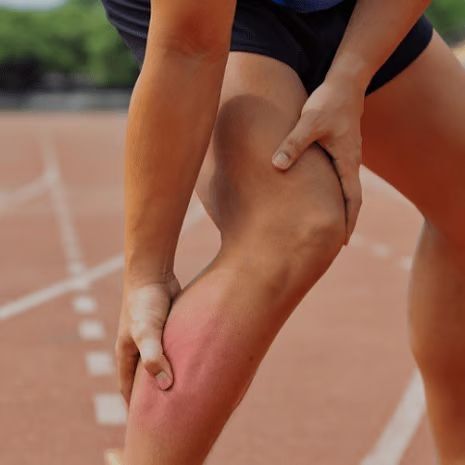
Compartment syndrome ranges from exertional tightness that eases with rest (CECS) to rare, acute emergencies after trauma. Exercise pain, pressure, tingling, or weakness at a predictable distance often signals CECS.
At Foot and Ankle Rehabilitation, we retrain gait, adjust footwear, and use orthoses to lower compartment load, coordinating pressure testing and surgical referral when needed.
What is Compartment Syndrome?
The lower leg is divided into muscle compartments (anterior, lateral, superficial posterior, deep posterior) enclosed by inelastic fascia. When pressure inside a compartment rises faster than it can be dissipated, blood flow and nerve function are compromised, causing pain, tightness, and sometimes numbness or weakness.
There are two clinically different entities:
Acute Compartment Syndrome (ACS): a surgical emergency usually after trauma, fracture, crush injury, or reperfusion. It causes severe, escalating pain out of proportion, tense swelling, neurologic changes, and can lead to permanent muscle/nerve damage without urgent fasciotomy.
Chronic Exertional Compartment Syndrome (CECS): exercise-induced, reversible pressure rise that settles with rest. Pain and tightness typically begin at a predictable time or distance into running or activity and resolve minutes after stopping. CECS most often affects the anterior and lateral compartments in runners and field/court athletes, but any compartment can be involved.
At Foot and Ankle Rehabilitation we specialise in recognising CECS, ruling out mimicking conditions, and delivering conservative care (biomechanics, load, footwear, orthoses, and rehab). We coordinate compartment pressure testing and orthopaedic referral when indicated.
Causes & Risk Factors
Repetitive high-load activity: distance running, speed work, cutting/pivoting sports, marching.
Biomechanics: overstride, low cadence, heavy heel strike, limited ankle dorsiflexion, excessive pronation or cavus feet increasing compartment load.
Rapid training changes: sudden increases in volume, intensity, hills or surface hardness.
Equipment: stiff boots (e.g., work or military), worn footwear, inappropriate spikes/cleats.
Muscle hypertrophy or tight fascia: increased muscle volume inside a noncompliant compartment.
Previous leg injuries: scarred fascia, prior fractures.
Anatomical variation: accessory muscles, vascular anomalies (less common).
Treatment at Foot and Rehabilitation
Load & Training Modification
Phase-based reduction of provocative loads (tempo, hills, speed) with graded return-to-run.
Surface changes (avoid cambered/very hard surfaces initially).
Structured interval progression to increase tolerance without pressure spikes.
Gait Retraining
Increase cadence (e.g., +5–10%) to reduce overstride and braking forces.
Adjust strike pattern and trunk/hip mechanics to lower anterior compartment demand.
Cueing for softer landing, improved posture, and hip-knee alignment.
Footwear & Equipment
Transition to appropriately cushioned, stable footwear; replace worn midsoles.
Consider slightly stiffer forefoot shoes or carbon plates in selected cases to decrease metatarsal/anterior workload.
Review boots/spikes and lacing to reduce dorsal compression.
Orthoses
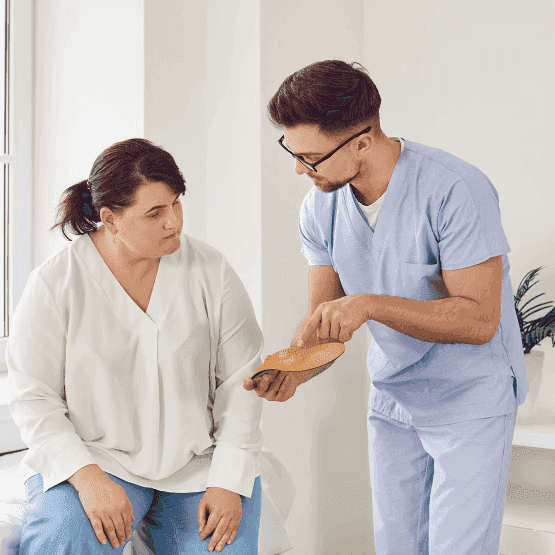
Custom foot orthotics to optimise tibial rotation and pronation timing, reduce pathological loads, and offload symptomatic compartments.
Manual Therapy & Mobility
Soft-tissue techniques, myofascial release; ankle/ subtalar mobilisation to improve dorsiflexion where limited.
Calf complex and anterior/lateral compartment stretching as tolerated.
Strength & Conditioning
Progressive calf-soleus complex endurance, tibialis posterior/peroneals control, and hip stabiliser strength.
Neuromuscular drills (balance, proprioception) to improve load distribution.
Adjuncts
Shockwave therapy is not a primary treatment for CECS (it targets tendinopathy), but may assist coexisting soft-tissue pain.
Activity-specific taping or sleeves for symptom modulation.
Referral & Surgical Pathway
If symptoms are refractory after a comprehensive 8–12 week program, or pressure testing is clearly positive with disability, we coordinate orthopaedic referral for fasciotomy.
Post-op, we deliver return-to-run protocols, footwear/orthotic optimisation, scar management, and reload planning.
Symptoms
CECS (exercise-induced):
Aching, pressure, or cramping that starts at a predictable point in activity and settles with rest.
Tight, full, or “bursting” sensation in a specific compartment.
Paresthesia (pins and needles) or numbness in the foot (deep peroneal or superficial peroneal nerve distribution common).
Weakness or foot drop late in an effort (anterior compartment).
Symptoms recur reliably on return to the same load.
ACS (emergency):
Severe, escalating pain (often out of proportion), pain with passive stretch, tense swollen compartment, sensory changes, possible motor deficit. Requires immediate ED review.
Diagnosis
At Foot and Ankle Rehabilitation, diagnosis includes:
Medial Tibial Stress Syndrome (shin splints)
Stress fracture of tibia/fibula
Tendinopathies (tibialis anterior/posterior, peroneals, Achilles)
Nerve entrapment (common/deep peroneal, tarsal tunnel)
Vascular causes (popliteal artery entrapment, endofibrosis)
Exertional cramps, DOMS, or simple muscle strain
Contact us to learn more about Compartment syndrome treatment
If you are dealing with Compartment syndrome, our team can help you find the most suitable Foot and Ankle Rehabilitation clinic for assessment, diagnosis, and treatment support.
Whether your symptoms are affecting walking, running, exercise, or daily comfort, we can guide you towards the right clinician and the right next step for your care.
Treatment options are available across Pinehill, Smales Farm, Remuera, Botany, Hamilton East, Hamilton Central and Bethlehem
Podiatrist pricing and availability
Pricing for Compartment syndrome assessment and treatment can vary depending on your consultation, the severity of your symptoms, the treatment approach recommended, and whether ongoing podiatry or rehabilitation care is required.
Your Foot and Ankle Rehabilitation clinician will assess your tendon, identify the contributing factors to your pain, and explain the most appropriate treatment plan based on your symptoms, activity level, and recovery goals.
To learn more about our podiatrists and current pricing, use the links below:
10,000+
Appointments delivered across our clinics, helping patients improve foot health, mobility, and long-term outcomes.
7 Clinics
Conveniently located across Auckland, Hamilton, and Tauranga, making it easy to access a podiatrist near you.
30+ Treatments
Comprehensive podiatry services including fungal nail care, ingrown toenail treatment, rehabilitation, and general foot care.
Compartment Syndrome – FAQs
What is the difference between acute and chronic compartment syndrome?
Acute follows trauma and is an emergency requiring immediate surgery. Chronic (CECS) occurs with exercise, resolves at rest, and is treated initially with biomechanics, training changes, and footwear/orthotics.
How do I know if I have CECS?
Pain/tightness begins at a predictable distance or time, compartments feel “full,” and symptoms settle within minutes of stopping. Numbness or weakness may appear late in an effort.
Do I need pressure testing?
Not always. Many cases can be diagnosed clinically and managed conservatively. Intracompartmental pressure testing is used when the diagnosis is uncertain or before considering surgery.
Can CECS be fixed without surgery?
Yes, in many athletes. Gait retraining, cadence increase, load modification, footwear changes, and orthoses often reduce symptoms to a manageable or resolved level.
What footwear helps CECS?
Shoes with adequate cushioning and stability, matched to your mechanics. Avoid worn-out midsoles. Specific choices depend on which compartment is symptomatic and your gait pattern.
Will orthotics help?
They often help by optimising foot mechanics and tibial loading, reducing repetitive strain that contributes to compartment pressure rises.
Can I keep running?
Usually you’ll need a temporary reduction and a structured graded return while we change mechanics and load. Continuing unchanged increases the risk of persistent symptoms.
What if conservative care fails?
If a full program does not control symptoms and pressure testing is positive, fasciotomy is the definitive option. Most athletes return to sport after staged rehabilitation.
How long is recovery after fasciotomy?
Protocols vary, but expect walking in days–weeks, light jogging by 4–6 weeks, and progressive return to sport over 8–12+ weeks, guided by pain, swelling, and wound healing.
When should I go to the emergency department?
After trauma with severe escalating pain, tense swelling, pain on passive stretch, numbness/weakness, or pain not relieved by medication. These are red flags for ACS.
Why Choose Foot and Ankle Rehabilitation?
Foot and Ankle Rehabilitation delivers specialist evaluation for CECS, including gait analysis, footwear and orthotic expertise, and a structured return-to-run framework. We coordinate pressure testing and surgical referral when appropriate and provide comprehensive post-operative rehab to maximise outcomes.