Calf Muscle Strain & Tear Treatment at Foot and Ankle Rehabilitation
Calf Muscle Strain & Tear often follow sprinting or sudden push-off, causing sharp pain, swelling, and difficulty walking. Recurrent tightness can signal incomplete healing or overload.
At Foot and Ankle Rehabilitation, we stage recovery—acute care, graded loading, shockwave for stubborn cases—plus footwear advice and orthotics to reduce re-injury risk.
What are Calf Muscle Strains & Tears?
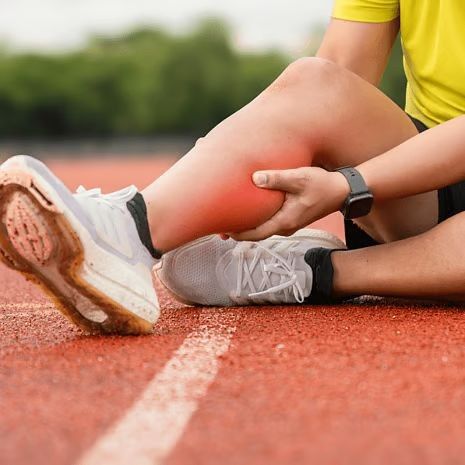
The calf complex is made up of the gastrocnemius, soleus, and plantaris muscles, which play a vital role in walking, running, and jumping. A calf strain or tear occurs when these muscles are overstretched or overloaded, leading to microscopic fibre damage (strain) or partial/complete tearing.
Calf injuries are among the most common in both recreational and elite athletes, particularly in sports that require sprinting, explosive acceleration, or sudden changes of direction. They can also occur in everyday life, especially in middle-aged individuals during sudden activity.
At Foot and Ankle Rehabilitation, we provide specialist assessment, rehabilitation, and advanced therapies to optimise recovery and reduce the risk of recurrence.
Causes & Risk Factors
Sudden explosive activity – sprinting, football, tennis, netball, basketball
Overuse – repetitive loading during running or jumping
Tight or fatigued muscles – reduced flexibility or strength imbalances
Previous calf injury – major risk factor for recurrence
Age – middle-aged athletes more prone to calf injuries (“tennis leg”)
Biomechanics – flat feet, poor shock absorption, or abnormal gait
Inadequate warm-up – increasing strain on calf muscles
Footwear – unsupportive or worn shoes contributing to overload
Treatment at Foot and Rehabilitation
Acute management – rest, ice, compression, and elevation (RICE), followed by structured rehab
Load management – staged return to walking, running, and sport
Manual therapy & massage – to reduce muscle tightness and scar tissue
Shockwave therapy – accelerates healing in persistent calf injuries
Exercise rehabilitation:
Early mobility and gentle stretching
Progressive calf raises (double → single leg)
Eccentric loading programs
Plyometric training for return to sport
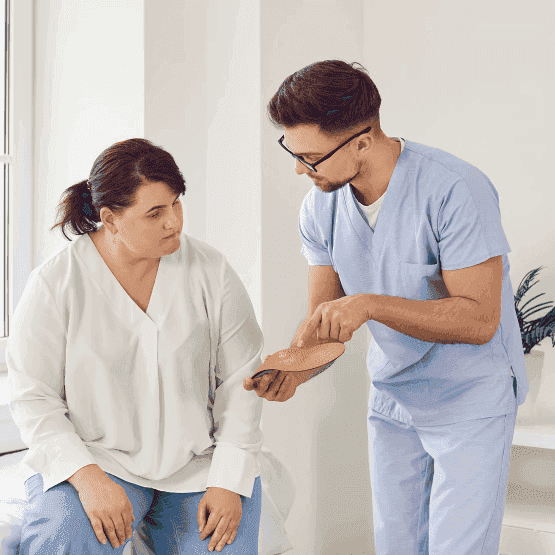
Orthotics & footwear advice – optimise biomechanics and reduce strain
Return-to-sport progression – gradual, structured program to reduce reinjury risk
Symptoms
Sudden sharp pain in the back of the lower leg
Feeling of being struck or kicked in the calf at time of injury
Localised tenderness and swelling
Difficulty walking, especially on toes or pushing off
Bruising developing within hours to days
In severe tears: palpable gap in muscle or inability to bear weight
Recurrent strains present as repeated tightness or ache with activity
Diagnosis
At Foot and Ankle Rehabilitation, diagnosis includes:
Clinical assessment – palpation, range of motion, strength testing
Functional testing – calf raises, hopping, or running mechanics
Ultrasound or MRI referral – to confirm tear location and severity, rule out Achilles tendon rupture
Differential diagnosis – distinguishing calf strain from DVT (deep vein thrombosis), Achilles injury, or compartment syndrome
Contact us to learn more about Calf Muscle Strains & Tears treatment
If you are dealing with Calf Muscle Strains & Tears, our team can help you find the most suitable Foot and Ankle Rehabilitation clinic for assessment, diagnosis, and treatment support.
Whether your symptoms are affecting walking, running, exercise, or daily comfort, we can guide you towards the right clinician and the right next step for your care.
Treatment options are available across Pinehill, Smales Farm, Remuera, Botany, Hamilton East, Hamilton Central and Bethlehem
Podiatrist pricing and availability
Pricing for Calf Muscle Strains & Tears assessment and treatment can vary depending on your consultation, the severity of your symptoms, the treatment approach recommended, and whether ongoing podiatry or rehabilitation care is required.
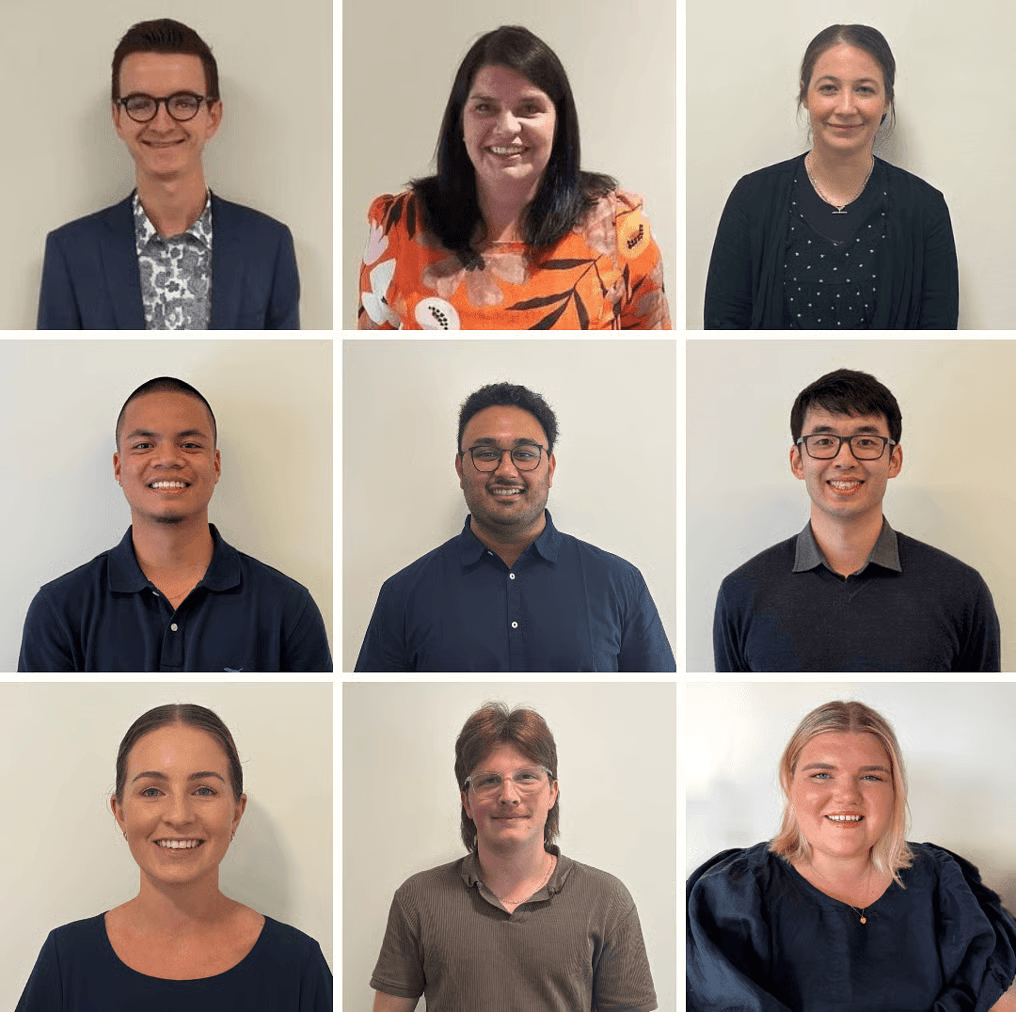
Your Foot and Ankle Rehabilitation clinician will assess your tendon, identify the contributing factors to your pain, and explain the most appropriate treatment plan based on your symptoms, activity level, and recovery goals.
To learn more about our podiatrists and current pricing, use the links below:
10,000+
Appointments delivered across our clinics, helping patients improve foot health, mobility, and long-term outcomes.
7 Clinics
Conveniently located across Auckland, Hamilton, and Tauranga, making it easy to access a podiatrist near you.
30+ Treatments
Comprehensive podiatry services including fungal nail care, ingrown toenail treatment, rehabilitation, and general foot care.
Calf Muscle Strains & Tears
– FAQs
What causes calf strains?
They are caused by sudden overload or overstretching of the calf muscles, often during sprinting or explosive activity.
What’s the difference between a strain and a tear?
A strain is microscopic muscle fibre damage, while a tear involves partial or complete disruption of the muscle fibres.
How do I know if I’ve torn my calf?
A tear often feels like being hit in the back of the leg, followed by sharp pain, swelling, and difficulty walking.
How long does it take to recover from a calf strain?
Mild strains may heal in 1–2 weeks, while moderate to severe tears can take 4–8+ weeks depending on severity and rehabilitation.
Do calf injuries need imaging?
Mild cases don’t always require imaging, but ultrasound or MRI is useful for confirming significant tears.
Can orthotics help calf injuries?
Yes. Orthotics improve foot alignment and shock absorption, reducing strain on the calf.
Can shockwave therapy help?
Yes. Shockwave therapy is effective in stimulating healing and reducing pain in stubborn or recurrent calf injuries.
Are calf strains common in older athletes?
Yes. Middle-aged athletes are especially prone due to reduced flexibility and tendon elasticity.
Can I keep training with a calf strain?
No. Continuing to train risks worsening the injury. A graded rehab program is essential.
When should I see a podiatrist?
If calf pain is sudden, recurrent, or interferes with sport or daily activity, podiatry assessment is recommended.
Why Choose Foot and Ankle Rehabilitation?
Foot and Ankle Rehabilitation provides specialist calf injury management, combining clinical expertise, shockwave therapy, orthotic support, and tailored rehabilitation to ensure safe recovery and reduced recurrence.